October 19, 2026

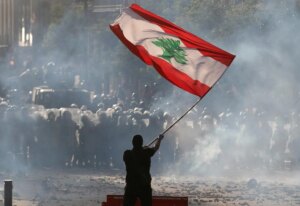
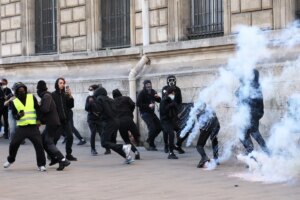
Seven years after the start of the October 17, 2019 protests, Lebanon is still suffering from the repercussions of the economic and financial collapse. As crises continue to decline in purchasing power, exacerbate living burdens, and disrupt basic sectors, such as electricity, health, education, banking, and public finance.
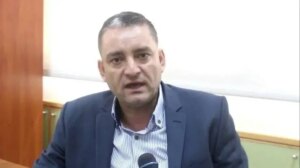
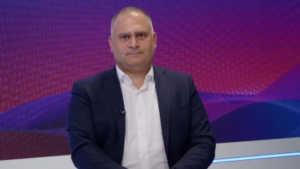
In an analytical reading of the economic and social reality, the Director of the Economic and Social Center for Strategic Studies, Dr. Ahmed Jaber, confirmed in an interview with “Lebanon Debate” that the economic and social demands raised by the October 17 uprising were politicized, which prevented the achievement of its desired goals. Jaber considered that Lebanon has moved, as a result of the accumulation of imbalances and the absence of radical remedies, to the stage of “social collapse,” just below it is “social explosion.”
Jaber explained that the cumulative decline in GDP amounted to about 45%, noting that the Israeli war on Lebanon exacerbated this decline, but the roots of the crisis go back primarily to pre-war policies that failed to address the accumulated imbalances. He pointed out that successive governments failed to manage vital files such as electricity, the banking sector, public finance, and waste, warning that the absence of an effective production policy threatens food security in light of a chronic deficit in the trade balance and balance of payments.
Regarding the national currency, Jaber indicated that the Lebanese pound has lost about 95% of its value, stressing that the stability of the current exchange rate does not eliminate the continued erosion of citizens’ purchasing power. In the health sector, the crisis stemmed from the high cost of hospitalization and medications – especially chronic disease medications – and the difficulty of hospitals collecting their dues, in parallel with citizens’ inability to bear medical expenses. He also criticized the state’s failure to strengthen the public school and the Lebanese University to be a refuge for people with limited and middle income and to reduce their financial burdens.
In his assessment of the period preceding the war, Jaber pointed out that there was a slight improvement in the standard of living during the year 2025, amid expectations of economic growth between 4 and 4.5%, but the war undermined these expectations, stressing that adopting structural policies and a clear vision was sufficient to enhance the country’s ability to confront shocks. He stressed that the crisis lies in the absence of a strategy to generate growth, create job opportunities, and update legislation to build a sound economy and achieve social justice, considering that punishing governments with the same approach has kept the country hostage to crises.
Regarding the recovery path with the International Monetary Fund, Jaber stressed that foreign aid does not replace structural internal reforms, especially in the banking sector and public administration. He wondered about the feasibility of begging for foreign aid in the absence of the required reforms, stressing that the rescue path begins with a Lebanese decision and pure political will.
Jaber concluded by emphasizing that Lebanon, despite its small area and population, possesses real elements of advancement that include the expatriate sector, tourism, human resources, and globally distributed competencies, as well as economic potential capable of generating revenues and stimulating growth, provided that the necessary political decision and will are available to harness them in the service of the national economy and launch the path of recovery.