The Minister of Social Affairs, Hanin Al-Sayed, affirmed Italy’s ability to contribute effectively to Lebanon’s recovery path, especially by supporting displaced families and helping them restore their livelihoods and dignity, stressing the importance of the Italian and international role in supporting Beirut during the current stage.
Al-Sayed’s statements came during a meeting hosted by the Lebanese Embassy in Rome, as part of her official visit to the Italian capital to hold meetings with officials and her Italian counterparts, coinciding with the launch of the international humanitarian coalition “Rooted for Lebanon.” The meeting was attended by political, social and humanitarian figures, Arab ambassadors accredited to Rome, members of the Lebanese community, and members of the diplomatic corps at the embassy.
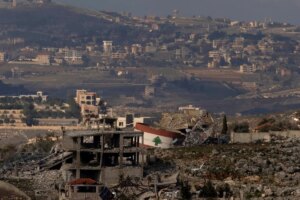
At the beginning of the meeting, the Lebanese Ambassador to Italy, Carla Jazzar, welcomed the attendees, considering that this gathering reflects the strength of bilateral relations and embodies Arab and international solidarity with the Lebanese people. Jazzar emphasized that the role of the Lebanese community in Italy goes beyond financial support to be a means of maintaining the connection to the homeland and standing by families during their transition from the emergency phase to recovery. Jazzar also relayed her observations from meetings she had with families who returned to their affected villages and found destroyed homes and lost sources of livelihood, praising these families’ determination to stay and start again, and supporting considering the “Rooted for Lebanon” campaign as part of broader efforts to strengthen the resilience of local communities.
For her part, Minister Hanin Al-Sayyed explained that governmental and international aid provided by Italy and the European Union constitutes a basic pillar of the response, while the “Rooted for Lebanon” coalition seeks to mobilize additional resources from the private sector and direct them directly to the most vulnerable families. She indicated that the initiative has collected about $338,000 in private donations since its launch in the second half of last May, as the money is transferred directly to families whose eligibility has been verified by the Ministry and its partners, through a digital system that allows beneficiaries to receive money on their phones and withdraw it from local money transfer companies. The program primarily targets the elderly, people with disabilities, and families headed by women or with children, with the aim of providing immediate and flexible assistance that allows them to prioritize their spending on food, medicine and education.
In a related context, Italy announced the allocation of a humanitarian contribution worth 10 million euros to Lebanon, in addition to 30 tons of in-kind aid to mitigate the repercussions of the crisis. The financial contribution was distributed at two million euros to the Humanitarian Fund of the United Nations Office for the Coordination of Humanitarian Affairs (OCHA), the same to the Red Cross, and 6 million euros to non-governmental organizations working in Lebanon, while the in-kind assistance included medicines, foodstuffs, and health supplies designated for the displaced.