November 6, 2026

Citizens’ complaints continue about tampering with fuel quantities at Lebanese stations, despite the passage of about two and a half weeks since the Ministry of Economy and Trade’s warning issued on October 22nd.
In its statement, the Ministry of Economy warned station owners against using illegal methods to achieve illegal profits, after oversight operations revealed the presence of replaceable fuel pumps in the markets. The Ministry confirmed that the use of these pumps is a flagrant violation of the Consumer Protection Law, as they prevent the delivery of the agreed upon quantity and use uncontrolled measuring tools for the purpose of fraud. The Ministry also called on station owners, companies and individuals who installed these pumps to report them within a period of three weeks to place seals on them.
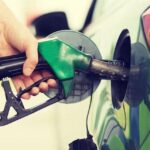
Despite these measures, citizens are still suffering from what they described as the “evaporation” of gasoline. The pump meter indicates the required quantity, while the fuel indicator in the car does not rise as much as expected, or decreases at an unusual speed despite the stability of driving distances and consumption patterns, which forces drivers to return to stations before the usual times and feel that part of the fuel has disappeared between the pump and the car tank.
These complaints take on additional seriousness in light of the rise in prices, as the price of a can of gasoline (95 octane category) reached about 2.492 million Lebanese pounds. According to consumption rates, some drivers need a plate daily, equivalent to about 75 million liras per month (about 835 dollars), while for others a plate every two days is sufficient, meaning 15 plates per month at a cost of about 37.4 million liras (about 418 dollars), which exceeds the official minimum wage of 28 million liras by about 33%. With these heavy financial burdens, any shortage in the quantity delivered becomes directly felt, which reinforces citizens’ suspicions of ongoing fraud and manipulation.