October 21, 2026

The Strait of Hormuz file entered an advanced stage of rhetorical and military escalation, during which the Iranian Revolutionary Guard announced that the strategic sea passage was “completely closed,” denying the American narrative that oil would continue to flow normally, and confirming the ban on the entry of any American or Israeli ships or warships.
In details, the spokesman for the Iranian Revolutionary Guard, Brigadier General Hussein Mohebi, explained in statements broadcast on Iranian television on Tuesday that the American warships moved away an estimated distance of about 700 kilometers from the strait. He described the American allegations regarding the continued passage of oil through it as “completely baseless,” noting that Washington resorts to passing oil shipments through expensive methods, and considering that the crossing of some small ships does not reflect the opening of the passage to natural navigation.
Regarding the military situation, Brigadier General Mohebi confirmed that his forces possess the ability to target American battleships and naval vessels, pointing out that Tehran had previously tested these capabilities “successfully.” At the same time, Assistant Commander of the Revolutionary Guards for Political Affairs, Brigadier General Yadollah Javani, escalated the warnings, declaring that his country possesses technologies that qualify it to target American bases outside the region. He also warned that any targeting of Iranian infrastructure would be met with a direct threat to the infrastructure in the Strait, stressing that “vital cables in Hormuz will not be safe.”
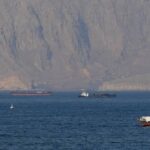
These developments come in light of mounting international fears about the repercussions of military tension on navigation and global energy security in the Strait of Hormuz, which is one of the most important oil and gas transport corridors in the world, and has recently witnessed multiple incidents involving ships and marine tankers. Despite the Iranian confirmation of the complete closure of the corridor, the actual navigation movement and the effectiveness of Iranian measures remain the subject of international monitoring and follow-up, in light of conflicting accounts regarding the volume of maritime movement and the continued transit of some marine vessels.