October 21, 2026

In an indication of a striking discrepancy within the US administration regarding interference in foreign political issues, US Vice President Jay Dee Vance refrained from declaring his support for Israeli Prime Minister Benjamin Netanyahu in the legislative elections scheduled for October 27, tweeting outside the flock led by President Donald Trump, who had previously announced his full support for Netanyahu.
In response to a journalist’s insistence on defining his position on the Israeli Prime Minister, Vance said: “I am not against supporting him, and I am not in favor of supporting him, and I do not interfere in the Israeli elections,” stressing his preference to limit his focus to electoral elections within the United States, especially the midterm elections scheduled for next November 3, by saying: “I support American candidates, and I focus on the midterm elections.”
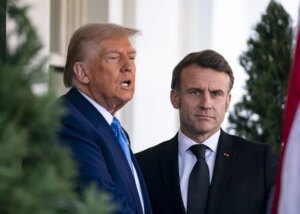
Vance’s position comes just one day after President Donald Trump announced his “full and complete support” for Netanyahu; This step was widely welcomed by the Israeli Prime Minister, who was quick to thank the US President for what he described as “tremendous” support, a few days before a closely contested vote.
The Vice President’s position gains special importance given his previous record in dealing with political issues outside American borders, where he did not always adhere to neutrality. He had previously explicitly declared his support for Hungarian Prime Minister Viktor Orban prior to the legislative elections that took place in April and resulted in his departure from power. Vance also sparked widespread controversy in Germany last year following his meeting with the leader of the Alternative for Germany party, Alice Weidel, and his public criticism of the isolation policy imposed by the traditional German parties on the party.
Thus, Vance’s refusal to keep up with Trump’s stance toward Netanyahu, at a very sensitive time a week before the vote in Israel, highlights a clear difference in the two men’s approaches to the issue of providing public and direct support to candidates in elections taking place outside the United States.