October 17, 2026

The global automotive industry is rapidly seeking to develop innovative technologies that allow vehicles to communicate directly with traffic signals and road infrastructure, in a serious effort to improve traffic safety levels, reduce congestion, and reduce accident rates.
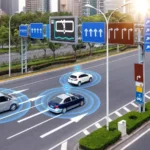
This advanced system relies on a technology known as “V2X,” which allows the seamless exchange of data and information between cars and each other, as well as linking them to traffic lights and smart sensors spread across the road network.
This technology provides vital features that enable the car to receive immediate alerts regarding changes in traffic lights, or monitor potential accidents and obstacles on the road, in addition to sensing the approach of emergency vehicles, which gives drivers additional time to make sound decisions.
In addition, this technology helps drivers adjust their speeds in accordance with the timing of traffic lights, which directly contributes to reducing frequent stops, rationalizing fuel consumption, and streamlining traffic.
Despite the great advantages offered by these systems, their wide spread is still conditional on developing the necessary infrastructure, unifying communication standards between car manufacturers and the authorities responsible for the road sector, as well as facing cybersecurity challenges and ensuring data protection.
These technologies represent an essential step toward establishing more interconnected transportation networks, and pave the way for the expansion of the use of smart vehicles and their synchronization with self-driving technology.