October 15, 2026

Israeli Prime Minister Benjamin Netanyahu included “Hezbollah” at the heart of his election speech, accusing Iran of seeking to influence the results of the Israeli elections scheduled for October 27, whether through direct action or through its agents in the region, specifically “Hezbollah” and “Hamas.”
In a television interview he conducted with the “Patriots” program on the Israeli Channel 14, and which was mentioned by journalist Lazar Berman in a report in the “Times of Israel” newspaper, Netanyahu supported reports about the possibility of launching an Iranian attack or planning a move in the West Bank, indicating that Tehran is seeking, through its allies, to overthrow his government. According to the published texts, Netanyahu did not provide evidence or operational details to support these accusations.
On the field level, Netanyahu claimed that Israel had accomplished 90% of its military objectives in confronting “Hamas” and “Hezbollah,” stressing at the same time that threats remained in place, knowing that this percentage represented a personal estimate not supported by a proven official tally.
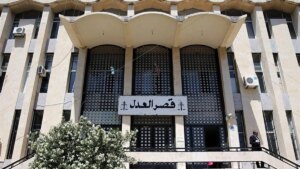
Regarding internal affairs, the Prime Minister devoted part of the interview to attacking judicial institutions, calling, according to the JDN website, for an end to his trial and an investigation into the parties he considered to be behind what he described as “political persecution.” He also expressed his objection to the mechanism for forming an investigation committee into the events of October 7, whose members are determined by the President of the Supreme Court.
Netanyahu moved from a security warning to party mobilization, expressing his deep concern about the closeness of results between the political camps, warning his supporters of serious political, security and judicial repercussions if his opponents came to power, and calling on them to participate intensively in the vote as he is the deciding factor in protecting his political future.
Netanyahu’s statements gain significance in terms of linking Hezbollah to the Israeli electoral entitlement, although they remain within the framework of political accusations that do not rise to the level of documented evidence or official announcements of new military operations, which reflects a dual use of external and internal risks in his electoral campaign.