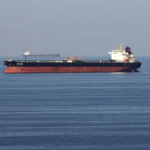
The global energy sector is facing a structural crisis that threatens to disrupt long-distance crude oil flows, following a severe and unprecedented shortage of giant oil tankers, which has pushed maritime shipping costs to unusual record levels, according to a Bloomberg report.
The scarcity of tankers available for charter in some regions has led to a fundamental shift in the strategies of global refineries, which are now looking for closer geographical supplies. The report explained that transporting one oil shipment from Houston to Asia adds about $26 to the cost of a barrel, equivalent to $52 million per shipment, which is equivalent to about a quarter of the price of West Texas Intermediate crude futures. Whereas transportation costs constituted a limited margin of the value of the cargo before the outbreak of war, they have today become a decisive element in the economic feasibility of deals.
In terms of revenues, giant crude carriers – with a capacity of two million barrels – achieve revenues exceeding $1.2 million per day. As a result, the market value of the shares of major international oil tanker companies jumped to record levels approaching $70 billion within one week. The increase was not limited to giant tankers, as the average revenue of Suezmax tankers exceeded $300,000 per day, which is usually high rates in areas of armed conflict.
This sharp rise in freight capacity raised widespread concerns among oil traders about the decline in refinery profit margins, prompting them to avoid distant crude despite the continued strong demand for derivatives such as gasoline and diesel. Vortexa data showed a noticeable decline in US oil flows to Asia recently, coinciding with the tripling of scarcity costs.
In the same context, a Japanese refinery was recently forced to purchase a shipment of Alaska crude, despite its usual unsuitability for its facilities, taking advantage of the close distance. Other Asian refineries also resorted to using “Aframax” tankers (with a capacity of approximately 700,000 barrels) to transport their American purchases as an alternative to giant tankers. As for Europe, the rush for nearby shipments led to the actual price of Brent crude exceeding $131 per barrel, and futures contracts approaching $110, in parallel with the slowdown in sales of Angolan oil usually destined for China due to the transportation crisis.
The Bloomberg report attributed this crisis to the repercussions of the war, in addition to a huge investment bet carried out by a South Korean businessman who had begun pushing prices up even before the outbreak of the conflict. The crisis is worsening on the ground as cargo transport operations near the Sultanate of Oman exhaust a large number of ships operating through the Strait of Hormuz, in addition to other tankers being forced to travel thousands of miles around Africa to load oil from the Mediterranean Sea.
In testimonies that reflect the depth of the crisis, officials and brokers working in the shipping sector confirmed to Bloomberg that they had never witnessed such a severe shortage of giant oil tankers throughout their career, stressing the almost unavailability of new ships for charter in some vital locations.