“Lebanon Debate” – Danny Al-Qassem
August 23, 2013 was not a passing day in the history of Tripoli, but rather a day in which time was divided into before the explosion and after it. In a few minutes, the courtyards of the “Al-Taqwa” and “Al-Salam” mosques turned into a scene of blood and rubble, and innocent people fell into one of the most heinous crimes that struck the city. Two explosions, dozens of victims, hundreds of wounded, and an entire city plunged into shock, the details of which are still etched in memory today.
On this day in 2013, two terrorist explosions rocked the city of Tripoli, targeting the “Al-Taqwa” and “Al-Salam” mosques, coinciding with the worshipers’ exit from Friday prayers, in a crime that left 50 martyrs and about 800 wounded, according to what was stated in the indictment in the file.
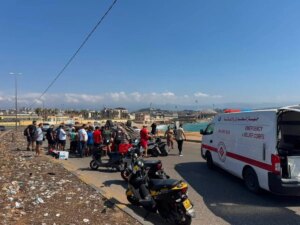
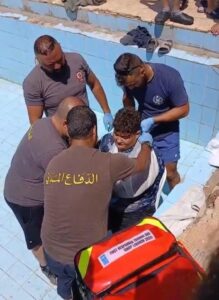
The tragedy began in front of Al-Taqwa Mosque, where a violent explosion shook the area, before another explosion followed in front of Al-Salam Mosque in the Mina area. Within minutes, the streets of Tripoli turned into squares of rubble, shattered glass, and blood, while ambulances, civil defense, and security forces rushed to the scene to transport the injured and search for the victims.
According to what later investigations revealed, the two bombings were carried out using two car bombs, while the security and judicial services launched extensive investigations to identify the perpetrators and reveal the party behind the crime. Evidence was collected from the scenes of the two bombings, the movement of cars and communications was tracked, and the testimonies of a number of detainees were listened to.
As the investigations progressed, the threads of the case began to gradually unravel, turning the crime into one of the most complex security and judicial files in Lebanon, especially with the emergence of names of defendants and hypotheses about the existence of links to foreign parties.
The case did not stop at the security investigation, as the file moved to the judiciary, and reached the Judicial Council, where trials began in a case that was considered one of the most dangerous files related to the security and political phase that Lebanon experienced in light of the repercussions of the Syrian war.
But the “Piety and Peace” bombings were not just a security incident in Tripoli’s history. At that time, the city was living on a heated sectarian and security turmoil, and the greatest fear was that the crime would turn into a spark that ignited widespread strife in the city and the north.
Despite the horror of the scene, the people of Tripoli tried to contain the disaster, and stood by the injured and the families of the victims, while work began to remove the rubble and reopen the roads, but the traces of the crime remained too deep for restoration operations to erase them.
Today, 13 years later, the memory of Tripoli still recalls that black day. Two mosques, two explosions, dozens of martyrs and hundreds of wounded, and families who are still carrying their pain since that day.
The “Piety and Peace” bombing file remains one of the files most awaiting clear and complete answers: Who planned the crime? Who implemented it? Who gave the order? Who is behind the targeting of worshipers in the heart of Tripoli?
Questions remain engraved in the city’s memory, while justice remains the only one capable of closing this wound opened by the explosions of August 23, 2013.