November 8, 2026

Al-Anbaa Electronic Newspaper
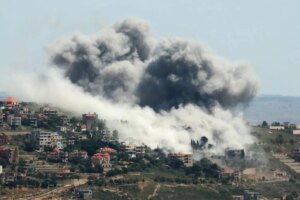
In light of indicators warning of a new regional confrontation between Iran and the United States, fears are increasing that Hezbollah will become involved in it, which could drag Lebanon into a new support war that threatens to destroy what remains of the south. In this climate, the region is awaiting the repercussions of Israeli President Isaac Herzog Gadi Eisenkot’s assignment to form the government, after he received the recommendation of 67 deputies, compared to 46 deputies who recommended appointing Benjamin Netanyahu, according to what the Israeli presidency announced.
The Israeli presidency explained that Herzog met with both Eisenkot and Netanyahu separately, informed them of his decision, and also invited them to the official assignment ceremony on Sunday evening. She indicated that Eisenkot has 28 days to form the government, which can be extended by 14 days. In his first comment after his appointment, he said that the time had come to form a national emergency government, adding: “I will do whatever it takes.” Lebanese interest is not limited to the identity of the next Israeli prime minister, but rather includes the repercussions that the arrival of the former chief of staff may have on the south, the suburbs, and the negotiation process, in light of his previous positions opposing the American restrictions imposed on military operations against Hezbollah.
“Freedom of work” extends to the suburb
The name Eisenkot in Beirut evokes a military record linked to what is known as the “Dahiya Doctrine.” In 2008, when he was commander of the northern region, he announced that Israel would use disproportionate force and cause widespread destruction to the villages from which rockets were launched, citing what happened to the southern suburbs during the July War. This background gives his current positions a significance that goes beyond the rhetoric of electoral competition.
On June 6, Eisenkot criticized Netanyahu’s acceptance of limiting operations against Hezbollah to southern Lebanon, and demanded freedom of action, including targeting the party in the suburb. He also called on Netanyahu to convince US President Donald Trump that restricting this freedom threatens the outcome of the war, while excluding Lebanese national infrastructure from targeting.
These positions open up the possibility of the next government demanding a wider margin for military operations. As for withdrawal or stopping the raids, they remain linked to actual decisions and arrangements, amid fears of the expansion of the war and its repercussions on Lebanon.