After weeks of trying to suggest that a breakthrough in the Iranian file was imminent, without significant success, it seems that US President Donald Trump has begun to adopt a new approach based on temporarily halting diplomatic contacts and keeping the war at a distance, in parallel with intensifying economic and military pressure on Tehran.
According to a report by CNN journalists Kevin Liptak and Zachary Cohen, Trump asked his administration’s senior envoys to stop their talks with Iran, according to an American official. White House officials also recently informed political allies that the strategy is moving from the option of “crushing Iran as quickly as possible” to working to gradually “suffocate” it, according to a source familiar with the issue.
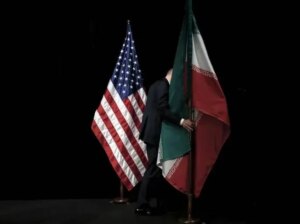
Instead of confirming, as he has done repeatedly since the collapse of the ceasefire signed in June, that the negotiations are going well and that a new agreement is imminent, Trump announced that there is no diplomatic path in place.
He wrote on social media: “There are no ongoing or scheduled talks or contacts with the Islamic Republic of Iran. The naval blockade remains in full force, the Strait of Hormuz is open and operational, and all naval mines have been removed or detonated. Thank you for your attention to this matter!”
However, navigation traffic through the Strait of Hormuz is still very limited, while ships crossing this vital waterway continue to be exposed to Iranian missile fire.
In light of his frustration at the faltering attempts to reopen channels of communication, and mounting questions about the cost that the unpopular war has imposed on the US military, Trump is giving signs of his willingness to distance himself from the conflict.
Officials said that Trump’s instructions to his negotiating team, which includes Vice President J.D. Vance and envoys Steve Witkoff and Jared Kushner, not to communicate with Tehran, came after what they described as “positive discussions” with the Iranian side.
However, Trump remained dissatisfied with Tehran’s refusal to comply with his demands, according to officials. He wants to wait for a signal from Iran’s leaders of a new readiness to conclude the agreement he seeks, before resuming communication with them.
One day before Trump’s post, Kushner had provided a more optimistic assessment during a visit to the Middle East. He said in an interview with “Fox News” that the talks between the United States and Iran were “probably more momentum” than ever before, noting that the American team is communicating with various figures within the Iranian regime.
He added: “They are interacting in a very strong way, and this is a very positive thing,” before continuing: “We are having very positive and active conversations.”
On the other hand, Iranian officials repeated their denial of the existence of direct talks with the United States. Trump had previously expressed his anger at these denials, accusing Iran of playing games, and stressing that its officials were showing, in more private communications, a strong desire to reach an agreement.
Behind the scenes, Trump expressed his dissatisfaction with the emerging features of the arrangement that Iran is trying to reach with the Sultanate of Oman regarding the management of shipping traffic in the Strait of Hormuz, according to people familiar with the file.
Trump attacked the Sultanate of Oman this week, threatening to bomb the Gulf state, even though it has played the role of a strategic partner for the United States for decades.
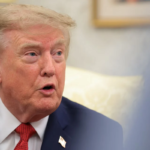
“I don’t think they behaved well, but we will deal with them very easily, just as we do with others,” he told reporters in the Oval Office on Monday.
Both Iran and Oman have coasts overlooking the strait. The agreement, according to the formula presented by regional officials, stipulates that each country is granted powers to control the movement of ships entering and leaving the Gulf.
There are fears within the White House that the plan, which has not been finalized, will lead to the consolidation of Iran’s control over the waterway. Some officials believe that, during the negotiations, Oman was more inclined to the Iranian position than to the American position, instead of performing the role of a neutral mediator.
Among the proposals that Trump and senior US officials oppose is imposing fees on ships wishing to cross the strait. Trump insists on not allowing the imposition of any traffic fees or other payments, but some versions of the agreement circulating included amounts related to protecting the environment or providing security.
This formula is not compatible with Trump’s vision for the work of the sea corridor, as he wants an agreement that completely returns the strait to its pre-war status, when the movement of ships passed without restrictions through the international waterway. His administration repeatedly warned that allowing any country to impose its control over the Strait would set a dangerous precedent.
Restoring shipping traffic in the Strait has become the central challenge in the war, despite Trump confirming this week that his primary goal is still to prevent Iran from possessing nuclear weapons.
The United States is expected to soon impose harsh new sanctions on Iran, perhaps within this week, according to American officials. Military officials, including Defense Minister Pete Hegseth, also confirmed that American forces in the region are ready to impose the American blockade on Iranian ports indefinitely.
Trump and his team believe that economic pressure on Iran will eventually push the regime to accept his terms for ending the war. However, Iranian officials, in turn, believe that Trump is under political pressure to withdraw, which perpetuates the existing stalemate.
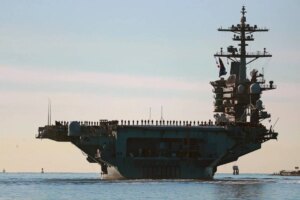
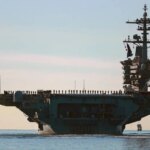
Military pressure also mounted on Trump to negotiate a way out of the war. The unprecedentedly long deployments of US military assets in the region, including the aircraft carrier USS Abraham Lincoln, have drawn increasing scrutiny because of their impact on the ships and sailors on board.
Trump acknowledged that the most advanced American ammunition stocks are not at the level he desires, 6 months after the war.
But he has so far resisted growing calls from Republicans to find a way out of the conflict, insisting he feels no time pressure.
In another post on social media on Tuesday, Trump published a map of the Strait of Hormuz with the phrase “American territory” above it, in an announcement that does not suggest that an American military withdrawal from the region is imminent, but rather reflects a clear contradiction between the attempt to disengage politically and the continued adherence to the tools of blockade and military pressure.