November 4, 2026

An American rule out an imminent strike on Iran, and Trump confirms: “We get everything we want.”
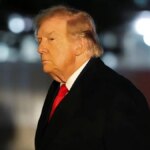
US President Donald Trump ruled out immediate plans to launch a new military strike against Iran, stressing at the same time Washington’s full readiness to move militarily if necessary, despite the continuation of limited operations and the Israeli threat of an imminent attack.
In a 6-minute telephone interview with journalist Edward Luce in the British newspaper “Financial Times,” Trump expressed his satisfaction with the course of the confrontation, considering that the American strategy is achieving its goals without the need to expand the scope of the war. “We seem to be getting everything we want,” he said in this context.
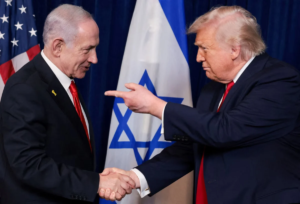
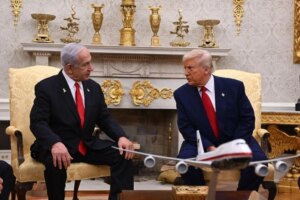
Regarding the hints made by Israeli Prime Minister Benjamin Netanyahu regarding the possibility of launching an attack later in the week, Trump responded: “I am ready, and we are ready. We are at the highest levels of readiness and armedness if we need to act, but there may not be any reason for that.”
These statements came before the closing of the polls in the midterm congressional elections, which were dominated by voters’ fears of inflation and high fuel prices related to the war with Tehran.
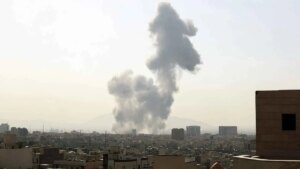
On Monday, American forces carried out air strikes targeting sites on the Iranian island of Qeshm in the Strait of Hormuz, as a defensive measure to protect American assets in the region. However, Trump downplayed the scale of the confrontation, stressing that Washington is not waging a traditional all-out war with Iran.
Trump explained by saying: “We are not actually fighting Iran, because we hit it with B-2 bombers and destroyed its nuclear capacity, and then we struck it again in Operation Epic Fury and other things. We have not fought a real war with it for a long time, perhaps 6 months or more,” adding that he does not consider the situation similar to the war in Ukraine or the First and Second World Wars.
Economically, Trump described the American situation as “wonderful,” claiming that the movement of oil tankers through the Strait of Hormuz has become greater than it was before the war, and that the blockade imposed on Iranian ports is succeeding in strangling Tehran’s economy. He also reiterated that energy prices will fall sharply after the midterm elections, coinciding with gasoline prices recording new record levels on Tuesday. On the other hand, hopes of achieving a diplomatic breakthrough contributed to the decline in the price of Brent crude by more than $10 per barrel, reaching about $104.
Regarding the nuclear file, Trump revealed the continuation of indirect negotiations with Tehran, especially regarding the fate of a stockpile of about 1,000 pounds of enriched uranium, which he described as “nuclear dust.” He expressed his dissatisfaction with the presence of these materials under the rocks, indicating that discussions are continuing regarding them, with an emphasis on not disclosing military plans in advance and keeping the option of force in place if diplomacy falters.
The Financial Times noted that Trump’s calm tone reflected his temporary shift of interest towards following up on the elections, as he expressed great optimism in the Republican Party’s ability to maintain control of Congress, contrary to the expectations of opinion polls that indicated a Democratic lead, based on the crowd density at his election rallies. However, the newspaper indicated that Trump’s assessments regarding Iran may change quickly based on the poll results.