November 4, 2026

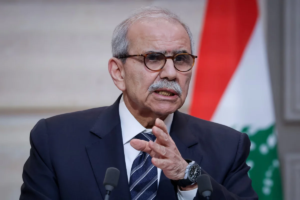
Lebanon has officially entered the center of the ongoing negotiations between the United States and Iran, after Tehran stipulated reaching a comprehensive settlement that includes stopping Israeli military operations on Lebanese territory, in a shift that places the Lebanese front at the forefront of diplomatic contacts aimed at containing regional escalation.
The American Associated Press reported, in a report published on Wednesday, that negotiations aimed at reopening the Strait of Hormuz are hampered by major obstacles. As a result of Tehran’s insistence on conditions that include easing sanctions, lifting the US naval blockade of its ports, in addition to imposing a ceasefire that includes Lebanon.
These developments coincide with limited American strikes targeting Iranian sites near the Strait of Hormuz, including Qeshm Island, while Washington and Tehran continue to exchange military and political messages in parallel with diplomatic moves.
In the same context, Iranian Foreign Minister Abbas Araqchi announced that his country discussed with Qatari mediators a proposal to reopen the Strait and resume talks, in exchange for meeting demands that include easing sanctions, releasing financial assets, and reducing the American military presence in the region, in addition to stopping military operations on the fronts related to the confrontation, most notably Lebanon.
This development reveals a strategic shift in the Iranian position, which now links any broader agreement to stopping the Israeli escalation in Lebanon, which integrates the Lebanese front into the broader regional negotiating calculations.
Although Lebanon is included among the Iranian conditions, this does not necessarily mean that Washington or Tel Aviv agrees to them, in the absence of any announcement of a final agreement or understanding that specifies the mechanisms for stopping military operations and the guarantees necessary for their implementation.
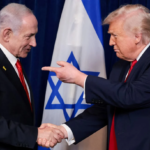
On the other hand, US President Donald Trump continues to keep the military option on the table in parallel with diplomatic contacts, amid pressure exerted by Israel to push towards intensifying the confrontation with Tehran.
Beirut faces crucial questions about whether any potential American-Iranian understanding will lead to a cooling of the Lebanese front, or whether the faltering negotiation path will push the region towards a broader confrontation.
Between Tehran’s conditions, Washington’s calculations, and Israel’s positions, Lebanon finds itself a forced partner in regional negotiations with ambiguous results, while the fate of its southern front remains dependent on the paths of escalation and regional calm.