November 3, 2026

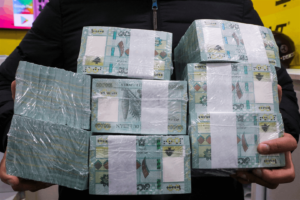
The Chairman of the Board of Directors and Director General of the Lebanese Tobacco and Tobacco Inventory Administration “Regie”, Nassif Saqlawi, expected that the institution’s total revenues would reach about $500 million during the current year, praising its achievements in terms of asset evaluation and development of production capabilities.
This came during Prime Minister Nawaf Salam’s reception of Saqlawi, heading a delegation from the Foundation’s Board of Directors, where the Regie’s most prominent achievements and future plans were reviewed, as well as its vital role in supporting farmers, revitalizing national industries, and combating smuggling.
Saqlawi explained that the completion of the assessment of the institution’s assets was based on Council of Ministers Resolution No. 330 issued on December 5, 2024, setting a precedent for the Regie as the first official administration to take the initiative to implement this step.
The meeting touched on the existing cooperation with Philip Morris, which resulted in the launch of a new production line for international brands, pointing out that the Regie factory was included in the company’s golden list as one of the twenty best factories in the world. He also pointed out the adoption of an independent system for generating electrical power based on solar energy and the hybrid system.
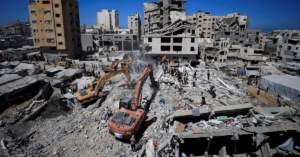
In terms of supporting the agricultural sector, the meeting discussed the progress of the process of receiving tobacco crops from farmers in the regions of Akkar, the South and the Bekaa, and the tireless efforts to ensure the receipt of all production, especially in the southern regions affected by Israeli attacks. The discussions also included the annual accounting audit file, and continuous coordination with the Customs Administration to combat smuggling, which Saqlawi confirmed had begun to bear fruit, achieving tangible results.
At the conclusion of the meeting, Saqlawi stressed the pivotal role that the institution plays in moving the wheel of production and enhancing the economic cycle, through its connection with a wide network of local industries that include printing presses, filter factories, nylon, and cardboard.