November 3, 2026

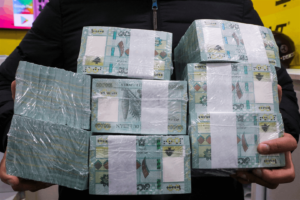
The issue of the minimum wage in Lebanon has returned to the forefront of discussions amid the escalating cost of living crisis, with employers expected to agree to raise the minimum wage from about $313 to about $475, achieving an increase of approximately $162.
Despite this expected increase, it remains below the numbers approved by studies to meet basic living needs. Recent data reported by the economic and financial expert, Dr. Bilal Alama, in a statement to the “Lebanon 24” website, indicate that the previous estimates, which ranged between $1,100 and $1,200 per month for a family of four people, have become “exceeded,” especially after the recent wave of high prices that included fuel, energy, goods, and services. Alama explained that the required minimum wage, according to current prices, is now approximately $1,575 to cover basic needs and the standard of living. The best.
In the context of the course of negotiations, Alama pointed out the inability of the Indicator Committee at its last meeting to reach consensus on a new wage figure, contenting itself with approving an increase in transportation allowances, in light of the failure to reach a formula that balances living requirements and the financial capabilities of institutions. He stressed that implementing a minimum of $1,575 seems “almost impossible” in the current circumstances, given that the cost of salaries exceeds what the employee receives and includes social security compensation, health coverage, end of service, and other burdens.
Alama warned that imposing such high levels of salaries and burdens on institutions may push many of them toward bankruptcy, which will exacerbate the economic crisis. He considered that any possible increase, whether it amounts to 400, 450, 475, or 500 dollars, is nothing more than a temporary measure to alleviate immediate pressures without providing a radical solution.
The financial expert concluded by emphasizing that the crisis goes beyond the salary file, calling for a comprehensive restructuring of the Lebanese economy, and the introduction of a new system of wages, compensation, and allowances that achieves a balance between the ability of citizens and the continuity of institutions, and warning that being satisfied with partial increases will keep the country trapped in a vicious cycle of recurring crises.