October 26, 2026

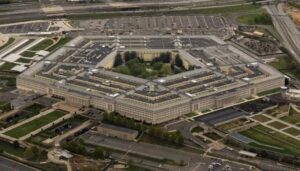
Tehran is preparing to radically change the rules of engagement in any future military confrontation, going beyond traditional military objectives to include the “vital nerves” of the region, in an effort to turn the threats it is exposed to into an unprecedented strategic pressure card. According to a report published by Al-Monitor and translated by Lebanon 24, the Secretary of the Iranian Supreme National Security Council, Mohsen Rezaei, issued a high-level warning stating that Iran’s target bank in the next round will expand to include data centers, submarine Internet cables, and artificial intelligence facilities, in addition to American military interests and bases spread across the Middle East.
This Iranian strategy, as Rezaei explained in an interview with Drop Site News, is based on a flexible and fortified military structure. Tehran has invested heavily in geographically distributed production facilities, underground missile facilities, and multiple launch platforms that ensure its ability to launch retaliatory strikes and quickly repair damage. The report believes that the threat of striking the digital and technological infrastructure directly aims to raise the economic bill for any attack on Iranian territory, which places the Gulf states that host American forces or support Washington’s security arrangements in front of direct risks affecting the communications, trade and technology sectors, despite the report’s doubts about Tehran’s actual ability to paralyze all of these goals at once.
In parallel with the cyber and digital threat, the Strait of Hormuz remains the most powerful economic weapon in Tehran’s hands to blackmail global markets. The tensions and harassment of oil tankers were reflected in a noticeable rise in energy prices, as Brent crude jumped beyond the threshold of $113 per barrel. The Iranian leadership is skillfully exploiting this reality at home, as Revolutionary Guard spokesman Brigadier General Hussein Mohebi believes that Tehran has inflicted “strategic defeats” on Washington by undermining its claims to protect maritime navigation, while hard-line newspapers such as Kayhan and Javan promote this economic strangulation as a strategic deterrent achievement, betting that American losses and jumps in fuel prices will put suffocating pressure on the American administration ahead of the midterm congressional elections.
Despite this dangerous edge, Tehran still leaves a conditional diplomatic evasion, as it conveyed through mediators seven harsh conditions as the only path to resuming negotiations, stressing its categorical refusal to open the Strait of Hormuz before meeting them. The Al-Monitor report concludes that Iran is playing an extremely dangerous game of deterrence. It seeks to convince Washington and Tel Aviv of its ability to survive and respond, and to intimidate the Gulf capitals to push them to curb the war. But expanding the circle of threats to include the backbone of the economy, communications, and artificial intelligence centers may backfire, turning from a message of deterrence into a golden justification that prompts adversaries to launch overwhelming pre-emptive strikes that plunge the region into the furnace of an all-out war.