October 26, 2026

A fateful test for global democracy: 4 decisive electoral elections in Brazil, Serbia, Israel, and the United States
International attention, within a time window not exceeding 10 days, is focused on four major electoral elections in Brazil, Serbia, Israel, and the United States. Amidst an intense political conflict that transcends national borders, mounting fears of a decline in freedoms, the growing influence of right-wing movements with an authoritarian tendency, and their direct repercussions on international balances.
In this context, a reading published by the British newspaper “The Guardian” highlighted these elections as a pivotal test for the future of democracy, in light of the increasing pressures faced by independent institutions and political freedoms globally. According to the report, a victory for authoritarian forces may strengthen their international influence, while gains by the democratic opposition may give new momentum to advocates of freedom and accountability. These indicators are consistent with the warnings of the Swedish V-Dem Institute, which specializes in studying democracy, which indicated that the level of democratic freedoms for the average global citizen has declined to levels dating back to 1978.
Brazil: A heated run-off and expected constitutional changes
Brazil is witnessing a tense presidential competition heading towards a decisive run-off between current President Luiz Inacio Lula da Silva and right-wing candidate Flavio Bolsonaro, son of former President Jair Bolsonaro, amid indications of a close match in the polls. Bolsonaro’s victory could pave the way for constitutional changes that include pardoning his father, who was sentenced to 27 years in prison over a coup attempt to stay in power. The right-wing candidate also pledged to tighten security policies, ease environmental restrictions, and undertake reforms in the judiciary. These are steps that his critics warn of their repercussions on the independence of institutions and the protection of the Amazon forests.
Serbia: Student protests disturb the authorities
In Serbia, President Aleksandar Vucic, who has been in power for 12 years, faces an unprecedented challenge led by a student protest movement participating in the elections with a list that includes academics and experts under the slogan “Serbia or the Mafia?” These protests derive their momentum from the disaster of the collapse of a concrete canopy at a railway station in Novi Sad in 2024, which resulted in the death of 16 people and sparked a wave of anger demanding the fight against corruption. The report believes that the dominance of the ruling Serbian Progressive Party over state agencies and the media raises serious concerns about the integrity of the elections and the possibility of escalating tensions if the opposition achieves advanced results.
Israel: Judicial and political crises surround Netanyahu
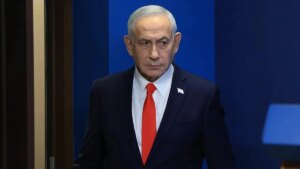
As for Israel, Prime Minister Benjamin Netanyahu is running in parliamentary elections amid fierce competition with the opposition and challenges within his hard-right coalition. Netanyahu’s government is facing sharp criticism against the backdrop of efforts to reduce the independence of the judiciary, pressure on the press and security institutions, as well as the repercussions of the war in Gaza. On the judicial level, Netanyahu faces local trials in corruption cases, in addition to an arrest warrant issued against him by the International Criminal Court.
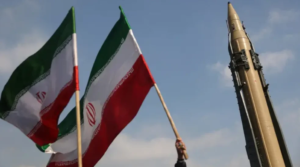
Despite indications that the opposition is making progress, forming a parliamentary majority may require understandings with Arab parties, despite the exclusion of opposition forces to cooperate with them. At the same time, Netanyahu escalated his regional rhetoric, announcing his instructions to the Mossad and the Israeli army to work to overthrow the Iranian regime, which reflects the continued priority of the security file in his political calculations.
United States: Midterms and a test of Trump’s powers
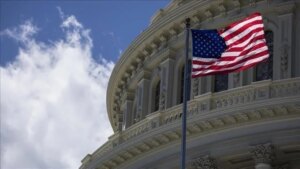
In the United States, the midterm congressional elections, scheduled for November 3, are of great importance as a test of the Democrats’ ability to curb the influence of President Donald Trump. Expectations indicate that the Democratic Party may regain the majority in the House of Representatives, amid fewer chances in the Senate.
Trump’s second term witnessed a noticeable expansion in the use of executive powers, and pressure on government institutions, journalists, and political opponents, which raised concerns about constitutional controls. Democratic control of one or both chambers of Congress would give them effective oversight tools over the administration in the files of war, military spending, and foreign aid, although their ability to impose radical changes will remain governed by the size of their majority, the use of presidential vetoes, and legislative obstacles.
International interconnection and network of alliances
These electoral entitlements are not isolated from each other, as their political and security support networks intersect. The “Make America Great Again” movement led by Trump represents a political support for Netanyahu, Vucic, and Bolsonaro. Between the rising authoritarian movements and the hope of the forces defending freedoms, these four elections are gaining dimensions that go beyond their local borders to determine the features of international politics and the future of relations between the major powers in the world.