October 14, 2026

“Lebanon Debate”
There are serious suspicions that an officer at the Dahr al-Baydar checkpoint facilitated the passage of a Dodge Durango loaded with explosives. But the suspicion of an officer who was present at the scene prompted him to request an inspection of it. The shipment was discovered and the car, which was heading from the Bekaa towards Beirut, was stopped. According to the information obtained by Lebanon Debate, the car was supposed to cross the checkpoint with the facilitation of the officer, which makes the investigation concerned with how it passed, not with the shipment alone.
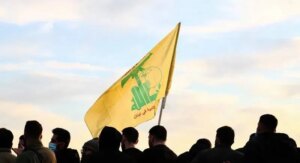
The two detainees, Haitham Amhaz and Ali Al-Kurdi, reported during the investigation that the shipment belonged to Hezbollah, but they did not reveal the purpose of its use. Follow-up sources report that they are withholding from investigators the real names of two people referred to as “Hajj Sajid” and “Hajj Zulfiqar,” and describe them as party officials connected to receiving and delivering the shipment. The sources also believe that the two detainees know their true identities and the party that requested the transportation of the explosives.
The information adds that Hezbollah knew about the seizure before the news spread in the media, and that pressure was exerted to release the detainees. Then the details of the case leaked to the media, coupled with the narrative that the detainees were merely carriers of “dead mail,” not knowing the content of the shipment nor their connection to the party behind it. Follow-up sources say that the leak was not far from judicial circles, and that it seemed to aim to relieve pressure on the judiciary and reduce the issue by suggesting that the detainees were mere couriers with no executive role.
In the first stage, the investigation remained with the military police and was not transferred to the Intelligence Directorate. Follow-up sources believe that keeping it within this path allowed the case to be limited to the detainees, without expanding towards the party that requested the transportation of the explosives or the role of the suspected element in facilitating the passage of the car. The information also indicates that political and personal calculations push some of those concerned to avoid steps that might anger Hezbollah, or to avoid confrontation with it out of the desire for positions and positions, which raises questions about the seriousness of pursuing all the threads of the file.
The importance of reviewing surveillance cameras and personnel attendance records is highlighted here. The recordings may help determine whether the officer facilitated the passage of other vehicles, and whether the seized vehicle had previously crossed the barrier during his shifts. It can also reveal whether the case is limited to this shipment or is related to previous transport operations, and determine whether stopping the car is the beginning of revealing its entire route or the end of the investigation at the borders of the detainees.