The intensity of the political and field debate between Damascus and Tel Aviv over the occupied Golan Heights escalated, following the exchange of sharp official statements between the two sides, which reflected each party’s adherence to its firm position regarding sovereignty and security arrangements in the region.
This came hours after the Syrian President, Ahmed al-Sharaa, confirmed from the podium of the United Nations General Assembly on Wednesday that the Golan “will remain Syrian territory,” stressing that any attempts to impose a fait accompli cannot affect the state’s legitimacy and sovereignty or the enforcement of international law. Al-Sharaa confirmed that the Israeli annexation measures are “null and void” based on UN Security Council Resolution No. 497 issued in 1981.
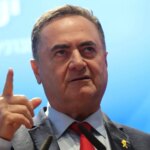
On the other hand, Israeli Defense Minister Yisrael Katz responded sharply to the Syrian President’s statements, declaring that the Golan “is part of Israel forever.” Katz stressed that Israeli forces will not withdraw from Mount Hermon or the security zone, under the pretext of preventing any potential threats.
The Syrian position is based on Security Council Resolution No. 497, which was adopted unanimously on December 17, 1981, and states that Israel’s decision to impose its laws, authority and administration on the occupied Golan is “null and void and has no international legal effect,” calling on Tel Aviv to cancel it. On the other hand, Israel took control of parts of the plateau during the June 1967 war, and officially annexed it in 1981.
Following the fall of Bashar al-Assad’s rule in December 2024, Israeli forces expanded their military deployment beyond the buffer zone adjacent to the Golan to reach the Mount Hermon region, at a time when Israeli officials reiterated their refusal to withdraw from these new sites.
The Golan file and the Israeli military positioning in southern Syria are the most prominent and sensitive points of disagreement in the relationship between the two countries, amid fears of further field and political escalation.