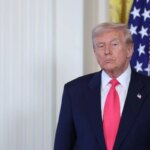
US President Donald Trump confirmed on Thursday that he is in the process of making a “fateful decision” regarding the course of the military confrontation with Iran, at a time when Washington continues to impose a naval blockade on Iranian ports and intensifies diplomatic efforts through mutual contacts to discuss the possibility of concluding a possible agreement.
In exclusive statements to the American website Axios, Trump explained the nature of the options presented, saying: “I face a big decision soon: Do I want to intervene and eliminate them, that is, the Iranian regime, or not? It is a big decision, and I have all possibilities.” The US President refused to reveal whether he would make this decision before or after the midterm elections scheduled for next November.
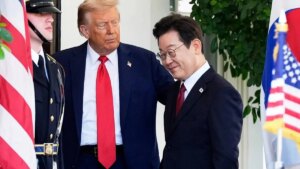
These developments come ahead of an expected meeting that Trump will hold, next Tuesday, with leaders of Gulf countries on the sidelines of the United Nations General Assembly meetings in New York, to discuss options for the next stage, which range between returning to the diplomatic track or escalating military operations. Trump indicated that he seeks to listen directly to the views of regional allies, adding: “I want to know their positions and conditions, as we were very keen to protect them,” pointing in the same context to the possibility of him holding a meeting with the Israeli Prime Minister, Benjamin Netanyahu, during his visit to New York.
On the field and strategic level, Trump and Defense Minister Pete Hegseth maintained the current deployment levels of US forces in the Middle East until the end of this year, to ensure maximum readiness for any possible return to major combat operations. American officials warned that the conflict is currently in a state of permanent stalemate between “no war and no peace,” stressing the necessity of resolving the final goal given the inability of the American army to remain in the current state of waiting for a longer period, and warning of the possibility of resuming fighting after the midterm elections if an agreement cannot be reached.
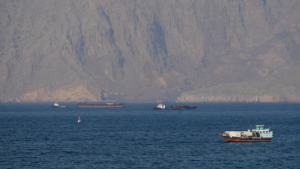
It is noteworthy that Trump had postponed early last August the resumption of large-scale combat operations following regional fears that Iran would target oil and gas facilities in response. Since then, he has adopted a low-key strategy that has included suspending negotiations, imposing a new sanctions package, and continuing the naval blockade, as well as focusing the military’s efforts on reopening the Strait of Hormuz and securing the flow of global oil. Trump expressed his satisfaction with the results of the blockade, saying: “No ship has reached Iran since we started. They tried and we blew up their ships.” Despite the success of the US Army in increasing the movement of oil and gas tankers through the Strait, shipping traffic is still below pre-war levels, and oil prices remain high.
In a related context, Trump revealed the continuation of direct communication between Washington and Tehran, stressing that Iranian officials still express a desire to reach an agreement. In parallel, the White House is formulating a comprehensive strategy for the post-war period based on mobilizing regional efforts to “contain Iran.”