The “Guardian” campaign in Iran has entered a new field phase, moving from propaganda mobilization and popular gatherings to forming a thousand battalions and as many rescue and relief units, organizing thousands of volunteers and subjecting them to military and security training under the supervision of the Iranian Armed Forces.
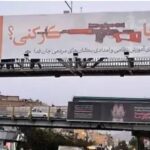
According to what the Iranian authorities announced on September 16, 2026, the new phase began in the capital, Tehran, on the 19th of the same month, and will gradually expand to include the rest of the country’s regions. According to Tasnim Agency, the project aims to build a network of volunteers that can be mobilized in times of war, disasters and crises, amid the spread of billboards in the streets of Tehran urging citizens with questions such as: “Are you good at using a Kalashnikov?” And “Are you good at using anti-tank weapons?”, to call for enrollment in military and relief skills courses.
The official story claims that 31 million people have registered in the “Guardian” campaign, with 68% of men and 32% of women, while more than 60% of participants are under 46 years of age. According to data published by the campaign’s spokesman, Sasan Zare’, and reported by the Sobh Sahel website, 26% of those registered expressed their willingness to engage in military and security activities, while 20% chose the areas of rescue and relief, 20% social services, 17% cultural and media activities, and 13% financial support. On the other hand, independent reports question the validity of the figure of 31 million participants, indicating that the number of real identities registered electronically is much less, in the absence of independent data that determines the size of actual participation.
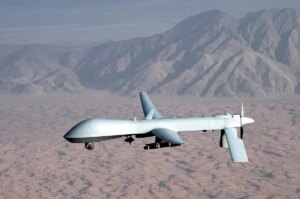
In the organizational context, the formation of the “Popular National Resistance Brigades” was announced in parallel with the start of a new phase of registration for courses on September 15, after completing the necessary arrangements. The announced training goes beyond the scope of ambulance, rescue, and disasters, to include local security, war preparation, information monitoring, and confronting what the authorities classify as counter-espionage operations, in addition to training on drones and shoulder-fired weapons, and special training for women, which included various categories such as students, athletes, artists, and professionals.
The official version confirms that the project aims to raise popular readiness and enhance Iranian deterrence capabilities against any external attack, in addition to employing the social capabilities of volunteers in the areas of rescue and services, as Iranian President, Masoud Pezeshkian, stated the possibility of benefiting from the campaign’s capabilities in managing fuel consumption. The activities also went beyond the military barracks to exploit public spaces and billboards in Tehran as part of a direct mobilization campaign.
On the contrary, critics express their concerns that integrating military training, information monitoring, and local security into one system goes beyond the traditional concept of civil defense, warning of the possibility of employing these units to deal with protests and internal unrest, which places the campaign at the heart of the debate between the declared official goals and political security concerns.