November 7, 2026

Major international oil trading companies are engaged in intense negotiations with the US government to obtain exceptional licenses that allow them to use oil tankers currently included on sanctions lists, against the backdrop of their previous involvement in illegal transportation operations. This step aims to address the ship shortage crisis and contain the record rise in shipping costs and energy prices.
The ongoing negotiations include four main companies: Trafigura, Vitol, and Mercuria Energy, in addition to the Abu Dhabi National Oil Company, ADNOC. These entities are discussing with US officials the possibility of purchasing or leasing about 50 tankers out of nearly 1,600 ships subject to US sanctions. The US Treasury Department is examining submitted applications on an individual, case-by-case basis, without issuing a general exemption, while the companies concerned have not issued any official comments, and no final decisions have been taken regarding them yet.
These moves come within the framework of the efforts of the administration of US President Donald Trump to control oil prices, which jumped near the level of $100 per barrel, affected by the outbreak of the US-Israeli war on Iran and the widespread disruptions it caused in global energy supplies. Shipping prices witnessed unprecedented increases as a result of the shortage of tankers, navigational risks through the Strait of Hormuz, ships being forced to take longer routes, and a doubling of the cost of insurance.
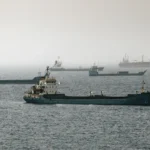
US Secretary of Energy Chris Wright announced last month that the administration is cooperating with investors to rehabilitate sanctioned and decommissioned tankers – such as the Skipper tanker anchored off Texas since December – and transform them from the “shadow fleet” into ships operating legally to transport authorized oil. Although these carriers are older and raise questions about safety standards, they may be designated for short voyages, making modern ships available for longer voyages.
In the same context, the cost of shipping American oil to Asian markets via a giant tanker jumped to about $40 per barrel at the beginning of last October, compared to only five dollars a year ago, and although it later declined, it is still historically high. Any licenses issued by the US Treasury or the Office of Foreign Assets Control are likely to be limited to US sanctions only, with European and British restrictions on trade in Russian and Iranian oil continuing.
The Trump administration is facing a complex challenge balancing expanding shipping capabilities with lowering fuel prices — which have put significant political pressure on Republicans — and ensuring that illegal actors do not benefit from the revenues. According to Treasury Department data collected by Bloomberg, the number of ships subject to sanctions as of November 4 reached 1,568, including 462 crude oil tankers, most of which operate without supervision by turning off GPS devices. The actual impact of this step on energy markets remains dependent on the number of ships that will receive licenses and the extent of their technical and operational readiness.