The heated confrontation between the United States and Iran is entering a critical and critical phase, amid Israeli security estimates that the failure to reach a diplomatic agreement by the middle of next week heralds the end of the negotiating process and increases the chances of the outbreak of a broad military confrontation in a dramatic manner.
In this context, a report prepared by journalists Barak Ravid and Nir Dvory and broadcast by Israeli Channel 12 revealed that US President Donald Trump is still balancing intense Israeli pressure with determined regional efforts to avoid escalation, and has not yet taken a final decision regarding the resumption of military operations, despite raising the level of field preparations in Washington Tel Aviv. At the same time, the Wall Street Journal reported a phone call between Trump and Israeli Prime Minister Benjamin Netanyahu to discuss the escalating tensions with Tehran.
On the media level, the US President issued a strong warning to Iran during an interview with Fox News, in which he said: “We have destroyed their nuclear program, and one or two facilities remain that we can deal with within 10 minutes.” When he was asked about the possibility of resuming the war this week, he replied: “Stupid question. Suppose I were to do that, would I have told you?”
According to the report, Netanyahu is exerting pressure to push for a joint bilateral military operation between Washington and Tel Aviv to coincide with the midterm congressional elections. On the other hand, regional countries including Saudi Arabia, Qatar, Egypt, Turkey, and Pakistan are leading pressing efforts to give the diplomatic solution an additional opportunity.
Within the American administration, there is a difference in positions. The majority of Trump’s advisors, including his vice president, express clear reservations about the war option, while Defense Secretary Pete Hegseth is considered one of its most prominent enthusiasts, while Secretary of State Marco Rubio stands in a gray area without a decisive position. However, Trump’s session on the Iranian file, which was held last Thursday, did not witness a substantive discussion about launching a military strike.
On the diplomatic track, an informed source indicated that the negotiations that began on Friday and continued on Saturday had achieved tangible progress without leading to a final agreement, amid expectations that the talks would resume on Sunday. The same source warned that failure to complete the agreement before the middle of next week would greatly complicate the chances of continuing diplomacy.
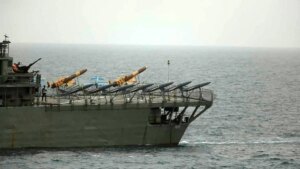
On the military front, Israeli officials announced that the occupation army is on high alert on the defensive and offensive fronts, in light of daily strategic coordination with the US Army Central Command. Estimates indicate that any anticipated military action will have a different nature in terms of strength and objectives, and may be implemented in joint coordination after the US elections and within a specific time frame.
In the context of field preparations, the report revealed that dozens of Israeli warplanes carried out a training sortie about ten days ago that simulated an attack on the Iranian interior, flying through Syrian and Iraqi airspace and approaching the Iranian border before returning to their bases safely.
For its part, Iranian media quoted Supreme Leader Mojtaba Khamenei, following his meeting with senior military leaders, issuing strict directives to prepare to implement “an immediate and strong response to any threat issued by the enemy, without any geographical restrictions.” Khamenei warned that any resumption of US-Israeli attacks would give Tehran the right to “determine the timing of the end of the war and the conditions governing it.”
In this sense, political and military circles are awaiting developments in the next few days, as the political settlement process competes with feverish war preparations, awaiting the final word of the American President, which will determine the course and fate of the conflict in the region.