October 31, 2026

Doha – Washington (agencies):
The diplomatic track between the United States and Iran is entering a very sensitive phase, in which Qatari-Pakistani mediation efforts to break the stalemate are intertwined with the continuation of field threats and Tehran’s preparation for all eventualities, including the outbreak of war.
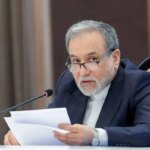
In this context, Iranian Foreign Minister Abbas Araqchi confirmed, in an interview with Al Jazeera, that Tehran carefully studied a letter it received from US Vice President J.D. Vance, and discussed its contents in high-level meetings, describing Washington’s attempt to open the door to dialogue and understanding as a “positive step.”
However, Araqchi issued a direct warning to the US administration, stressing that any bet on Vance’s message to provoke internal divisions in Iran is a “new mistake” added to the record of previous mistakes, stressing at the same time that his country does not rule out the possibility of war breaking out and keeps all scenarios possible in light of the continuing military tension.
On the diplomatic level, the Iranian Foreign Minister revealed that an Iranian delegation was heading to Doha, and the presence of its assistant there to continue consultations, in conjunction with intense efforts made by the Qatari and Pakistani mediators to discuss the Iranian conditions on the table, indicating that the mediators presented new proposals regarding the nuclear file that are currently subject to Iranian study within the second phase of the negotiating track.
Mediation efforts encounter a wide gap between the conditions of the two parties. Tehran adheres to prior American measures that include easing economic and maritime pressures, while Washington requires that the Iranian nuclear program be included in the core of any new negotiating path as a first step, which makes arranging the solution steps one of the most prominent existing nodes.
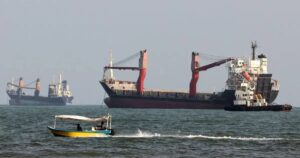
Regarding the Strait of Hormuz crisis, Araqchi explained that the Iranian proposal is the basis currently proposed for reopening the Strait, pointing out that the consultations developed after an initial Qatari proposal to reduce the implementation period to 5 days, to now reach a proposal to shorten the period to only two days.
Regarding the nature of the communication, Araqchi denied the existence of any plan to hold direct meetings with American officials, describing what is being circulated in this regard as “media speculation,” stressing that Tehran does not see a need for such a meeting as long as the conditions are clear and the mediators continue their work, and that any decision regarding the transition to direct negotiations depends on knowing Washington’s response to the Iranian conditions.
Recent reports confirm that Qatari efforts are focused on pushing the two sides towards mutual steps to revive it, and despite the intensity of indirect contacts, achieving a rapid political breakthrough remains uncertain in light of the widening gap between the positions of the two countries.