October 31, 2026

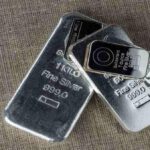
Silver prices recorded a sharp decline in global markets, exceeding the losses of gold, after the price of an ounce fell below $50 for the first time since November 2025, in a development that reflects the amount of pressure that precious metals are exposed to amid financial market turmoil and increasing economic fears.
According to trading data issued yesterday, Friday, silver fell by about 6% to touch levels of approximately $49 per ounce, ending its trading with significant monthly losses after losing about 18% of its value during the month of October, according to global market data.
In an analysis of the reasons for this decline, an economic expert explained on the “Lebanon 24” website that the decline is due to the intersection of several economic and financial factors, most notably the increasing expectations that US interest rates will remain at high levels for a longer period, coinciding with growing fears of a return to inflationary pressures. He pointed out that the rise in global oil prices as a result of geopolitical tensions and fears of supply disruptions enhances the chances of continued inflation, which prompts investors to reevaluate US monetary policy.
The expert pointed out that high interest rates put pressure on precious metals as assets that do not generate a periodic return, which makes keeping them less attractive compared to interest-bearing financial instruments. The sharp decline in technology company stocks – amid concerns about the feasibility of huge investments in artificial intelligence – also contributed to pushing some investors to liquidate their positions in precious metals to cover losses or enhance liquidity, which doubled selling pressures.
Regarding the reason for silver’s losses being greater than gold’s, the report explained that silver is characterized by a dual nature that makes it an investment tool and an industrial metal at the same time. It is involved in vital industries such as electronics, solar energy, and technological applications, which makes it more affected by fears of slowing economic growth and industrial activity. In addition, the increase in speculation during the previous bull run made it more vulnerable to profit-taking and quick liquidation of investment positions when the market trend changed.
Regarding future prospects, the economist believes that the next stage will remain linked to the decisions of the US Federal Reserve, inflation trends, the movement of the dollar and oil prices, in addition to the performance of global financial markets.
On the other hand, this decline does not mean the end of the long-term appeal of silver, as expectations indicate continued industrial demand for it amid estimates of a global supply deficit for the sixth year in a row during 2026. Therefore, the current declines reflect short-term financial and monetary pressures, while industrial supply and demand factors remain a basic pillar of the investment picture for the metal, between the hammer of interest rates and the anvil of urgent industrial need.