October 29, 2026

The technological research sector is witnessing rapid developments towards creating smart contact lenses that go beyond their traditional function of correcting vision. This emerging technology relies on the integration of precise electronic sensors and flexible materials that allow monitoring vital signs and displaying digital information directly in front of the user, which opens broad horizons in the fields of medical care and augmented reality without the need for additional devices.
Regarding health indicators, research is studying the possibility of analyzing the components of tears to monitor chemical changes and monitor glucose levels. However, these applications face scientific obstacles: glucose levels in tears do not match those in blood, and measurements are affected by environmental and biological factors. Which prevents it from being considered an approved alternative to medical glucometers. In the same context, other research seeks to monitor changes associated with intraocular pressure to monitor glaucoma disease, relying on experimental models that measure mechanical stress, which are techniques that still require further clinical evaluation.
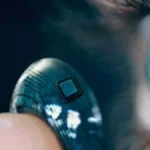
Applications are not limited to the medical aspect, but extend to augmented reality by integrating digital data and notifications within the user’s field of vision. The “Mojo Vision” project is considered one of the most prominent in this field, as the company revealed an experimental model of a lens equipped with a precise screen, which embodies the capabilities of miniature displays, although it has not yet become available for widespread daily use.
Integrating electronics into a transparent lens faces complex engineering challenges, most notably maintaining the flexibility and thinness of the lens, ensuring oxygen reaches the cornea, and avoiding eye irritation. Researchers are also working on developing limited-sized energy sources, protecting components from the moisture and salts of tears, reducing the resulting heat, and exchanging data wirelessly.
This technology raises urgent questions about protecting health data and user privacy, in addition to medical challenges related to the compatibility of materials with eye tissue, assessing the risks of infection and irritation, and ensuring the reliability of sensors and the accuracy of results before adopting them therapeutically.
Smart contact lenses remain a promising path that integrates electronics with medical functions, but their transformation into everyday commercial products remains dependent on overcoming engineering and regulatory hurdles, proving their long-term safety, and providing tangible benefits that ensure eye health and data privacy.