October 29, 2026

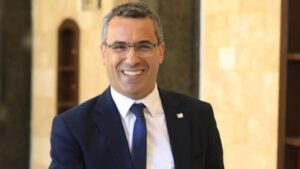
The Minister of Economy and Trade, Amer Al-Bassat, confirmed that the Ministry continues to implement regular monitoring patrols that include supermarkets, restaurants, and electric generators in various Lebanese regions and are not limited to Beirut alone.
Al-Bassat explained, during a press conference following an oversight tour, that the ministry’s staff, consisting of about 70 monitors, has carried out about 20,000 field examinations since the beginning of the year, followed up between 2,000 and 2,100 complaints, and organized arrest reports against violators, stressing that these numbers reflect the volume of ongoing oversight work.
Speaking about the high cost of living, the minister acknowledged that the problem of high prices is very large and causes real suffering to citizens. He explained that part of this increase is linked to factors beyond the Ministry’s control, most notably the rise in diesel prices and its impact on the transportation, insurance and other costs sectors, stressing at the same time that these factors do not justify the observed transgressions and violations.
In the file of electrical generators, Al-Bassat pointed out that serious violations had been observed that led to the arrest of one of the generator owners and his referral to investigation, in addition to the confiscation of his generator and its handover to the Beirut Municipality for operation. He explained that the focus is on installing meters and adhering to the official tariff issued by the Ministry of Energy, noting that indicators of the growing deterrent effect of these measures have begun to be seen.
Regarding the mechanisms for processing prices, the minister pointed out that the ministry relies on two basic tools: enhancing competition by activating the “Competition Authority” and monitoring profit margins. He stated that some institutions justify raising prices by increasing the cost of diesel, but doubling prices in the recorded manner is considered unacceptable and is being followed up to take the necessary measures regarding it.
Al-Bassat revealed that the results of the supervisory work during the last ten days included stopping the circulation of food products that did not meet specifications, such as cheese and labneh, in addition to taking action about six weeks ago following information about adulteration in gasoline, as some of the violating stations were closed in cooperation with the Ministries of Industry and Energy. He acknowledged the difficulty of monitoring all fuel stations simultaneously, noting that fraud may occur by merchants, distributors or stations, and stressing that shipments are subject to the necessary checks under the supervision of the competent authorities.
In response to the demand to announce the names of institutions that violate deterrence, Al-Bassat explained that the current law does not allow this, but he revealed that the new draft consumer protection law currently in the House of Representatives includes a mechanism for “defaming violators” (Name and Shame). He expressed his hope that the law would be approved soon after receiving assurances from the Council’s presidency, stressing that this law, along with activating the Competition Authority, will provide more effective tools to confront abuses.
Al-Bassat concluded by stressing that the principle of “every citizen is a monitor” is the basis of the ministry’s work, calling on citizens to report any violation via the electronic application (MoET Digital Services), and affirming the ministry’s commitment to seriously following up on complaints in various regions, including Akkar, Tripoli, the Bekaa, Sidon and the south.