October 27, 2026

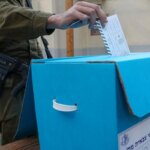
Today, Israeli voters went to the polls to cast their votes in the first parliamentary elections the country has witnessed since the attack on October 7, 2023. These elections come amid an intense political battle and sharp divisions that may shape the political future of Prime Minister Benjamin Netanyahu, at a time when the centrist parties seek to open a new political page and end his era in power.
Polling stations opened their doors at exactly seven in the morning, local time, and closed at ten in the evening. Immediately after they closed, Israeli television channels began publishing opinion polls that provide preliminary indicators of the distribution of seats, followed by the process of gradual counting of votes. The census is expected to be completed by the 30th of October, with the official results being announced on the 4th of next November.
Although the first indicators appeared within hours, deciding the identity of the next prime minister may take weeks due to the nature of the complex electoral system and the balance of alliances. The Knesset consists of 120 seats distributed according to the proportional representation system among lists that exceed the threshold of 3.25% of the valid votes, amid estimates that about 12 parties will enter Parliament, which threatens the dispersion of seats and makes the formation of the government dependent on complex coalition understandings.
Following the announcement of the official results, Israeli President Isaac Herzog begins consultations with the leaders of the winning parties to determine the person most capable of garnering parliamentary support amounting to a majority in the Knesset, regardless of being the leader of the largest party. The appointed person is given a period of up to 42 votes to form a government coalition, a process that has always been characterized by wrangling and disagreements over ministerial portfolios, given that no party has historically been able to obtain an absolute majority on its own.
In light of the rapprochement of the competing camps, small parties emerge as a decisive element in determining the identity of the prime minister. If the first person appointed fails to form the government within the legal deadlines, the opportunity is given to other candidates, leading to the possibility of going to new elections if this is completely impossible, while the current government continues to caretaker, which makes the closing of the funds merely the beginning of a long phase of political bargaining.