October 22, 2026

With the countdown to the Israeli elections scheduled for a week later, the circle of interest goes beyond internal affairs to be captured by the lenses of the Arab media, which is closely following the heated race between Benjamin Netanyahu and his rival, Gadi Eisenkot, while highlighting the ability of Arab voters to tip the balance in favor of the results and Netanyahu’s political future, in addition to the widespread controversy sparked by racist statements that affected Eisenkot’s Moroccan origins and whose echoes extended to Morocco.
In a report prepared by journalist Sapir Lipkin for the Israeli Channel 12, the widespread Arab interest in the elections was documented through detailed analyzes of the strength of the parties and comparisons between the candidates. Benny Gantz’s withdrawal from the race opened the door to sharp evaluations of his experience. On the Egyptian “Al-Ghad” channel, analyst Amal Orabi described him as a “political novice” who lost his bases by falling into what he described as “Netanyahu’s trap,” pointing to the decline in his popularity despite his continued ambitions to become prime minister.
On the other hand, the Saudi Al-Arabiya channel made a direct comparison between Netanyahu and Eisenkot regarding the management of the war in Gaza, the repercussions of the events of October 7, and the settlement file. The channel referred to calls from Arab minority leaders for massive participation with the aim of overthrowing Netanyahu, considering that the achievements of the extreme right depend on the percentage of Arab participation. While Netanyahu adheres to military pressure and dismantling Hamas, Eisenkot demands a clear security strategy and official investigative committees. As for the Palestinian file, the differences do not appear to be radical, as Eisenkot supports settlement and very clearly opposes the two-state solution, despite his opposition to handing over the administration of the West Bank to a far-right minister.
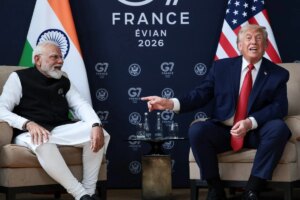
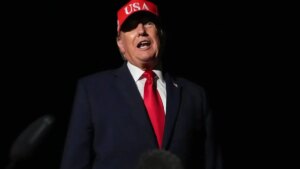
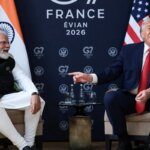
In the Saudi newspaper Asharq Al-Awsat, analyst Nazir Majli discussed the impact of the public support provided by US President Donald Trump for Netanyahu, considering it an attempt to bring about the “October coup.” Majali explained that this support may return to Netanyahu the votes of the hesitant right, but his influence remains limited outside this incubator, amid Israeli skepticism about the feasibility of external support in settling the funds.
The repercussions were not limited to politics, as Channel 14 presenter Yinon Magal’s statements, in which he described Eisenkot in racist terms related to his Moroccan origins, turned into a topic of discussion on social media platforms. A Moroccan influencer condemned these insults, considering them an expression of the Israeli elite’s superior view of the Mizrahi Jews and using them as electoral fuel.
On the analytical level, Egyptian writer and analyst Mohamed Saad Khairallah pointed out, in his interview with “N12” channel, a paradox represented by the average Arab citizen’s view that all Israeli politicians are identical in their positions, while the political and media regimes and elites clearly seek to bring down Netanyahu. He pointed to shifts in the Arab media discourse, such as what was done by the Saudi “Al-Majalla” magazine, which devoted extensive coverage to Eisenkot – most notably an issue titled “Ghadi.” Eisenkot… Will he become the leader of Israel? – Addressing the dimensions of the political, economic and security conflict in Israel.
These coverages confirm that the Israeli elections have become a regional event attended by calculations of political change, the position of the Arab Voice, and ethnic divisions within Israeli society, at a time when the region and the world await the results of a fund that will outline the features of the next stage.