October 19, 2026

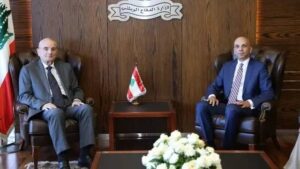
The General Amnesty Law file returned to the forefront of the judicial portal, following a meeting held between the Public Prosecutor of Cassation, Judge Ahmed Rami Al-Hajj, and a delegation of Sunni representatives, devoted to discussing mechanisms for implementing the law in light of the Constitutional Council’s decision and the discussions it raised about powers and limits of implementation.
The meeting discussed ways to deal with the law after the issuance of the Constitutional Council’s decision, and determined the judicial path that must be adopted to implement its basic provisions in accordance with applicable constitutional and legal principles.
Following the meeting, MP Waddah Al-Sadiq announced in a post on the “X” platform that two basic matters had been reached, explaining that the amnesty law would be implemented in accordance with its basic provisions as approved, and not based on what he described as violations of powers by the Constitutional Council.
Al-Sadiq praised the role of the judiciary, noting that “the presence of a discriminatory public prosecutor who possesses boldness, independence, and judicial knowledge represents a solution to many of the country’s crises.”
This meeting comes in light of the continued political and judicial follow-up of the amnesty law file, especially with regard to interpreting its effects and determining practical mechanisms for its implementation, amid anticipation of the expected steps from the concerned judicial authorities.