October 16, 2026

With the increase in global and local economic challenges, the discussion about the best means of protecting wealth has transcended traditional tools such as gold, the dollar, and real estate, with “Bitcoin” storming the scene forcefully as a decentralized digital asset with limited supply. While supporters are betting on its ability to preserve value and freedom from banking intermediation, its sharp fluctuations pose serious questions about its efficiency as a safe haven, especially in countries like Lebanon that are suffering from an unprecedented monetary and banking collapse, which prompts investors to balance scarcity, liquidity, and risks.
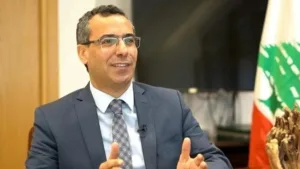
In this context, Saeed Nassar, professor of Blockchain and Bitcoin at the Faculty of Engineering (ESIB) at Saint Joseph University and founder of the “MoneyTalks” platform, confirms that “Bitcoin” is an effective means of preserving wealth in the long term, pointing out that short-term price fluctuations are the tax of early entry into an emerging market. Nassar explained in an interview with “Lebanon 24” that the strength of Bitcoin derives mainly from its symposium, as the ceiling of its total supply was set at 21 million units programmatically and not by a decision of a central bank, accompanied by an annual inflation rate of less than 1%, in addition to the ease of transferring it electronically without restrictions or the ability of any party to freeze it.
Regarding its comparison with gold, Nassar does not think that Bitcoin will abolish it, but rather expects that they will share the roles. Gold is based on trust that extends back thousands of years, while the digital currency is still new and has a smaller market size. However, Nassar believes that Bitcoin has a real opportunity to excel in investment as the market matures and central institutions are interested in it – such as the Czech Bank in 2025 – in addition to its superiority over real estate in terms of ease of immediate liquidation and geographical flexibility.
As for the dollar, Nassar believes that the green currency remains the safest option for short-term liquidity in times of crises, adding by emphasizing that “the dollar is safe when it is in your hand, not when it is in the bank,” in a direct reference to the lessons of the Lebanese banking crisis, and pointing out that the dollar has lost more than 95% of its purchasing power since 1913.
Despite his positive future outlook, Nassar warns of the dangers of technical ignorance regarding Bitcoin mechanisms, stressing the necessity of self-management of digital keys and not mortgaging them to platforms, in addition to understanding future challenges such as quantum computing and government regulatory strictness, which he believes targets the media and not the basic protocol that always proves its steadfastness and continuity.
Regarding global crises, Nassar points out that “Bitcoin” behaves like other high-risk assets in the first hours of crises – such as its sharp decline in March 2020 – but it quickly recovers and benefits from monetary expansion policies, as happened during the American banking crises in 2023.
Nassar concludes his analysis by pointing to the Lebanese peculiarity, as the collapse taught citizens the necessity of self-reliance away from banks. Here, “Bitcoin” emerges as an additional free option, warning at the same time that families should not rely on it to cover urgent daily expenses due to its extreme volatility, and stressing that gold and cash remain the most appropriate for emergencies, while Bitcoin remains a long-term investment tool that requires awareness and tolerance for risks.