October 15, 2026

The issue of the future of the United Nations Interim Force in Lebanon (UNIFIL) is at the forefront of the UN Security Council, with the expiration date of its mandate approaching, amid differences in international positions. Between persistent Lebanese efforts to extend its duties, American opposition to that, and serious international warnings about the repercussions of the absence of a mechanism to separate the Lebanese and Israeli armies.
In this context, the United Nations Under-Secretary-General for Peace Operations, Jean-Pierre Lacroix, called on the Security Council, on Wednesday, to initiate serious and urgent negotiations to resolve the future of the mission, stressing in statements reported by Reuters that taking a quick decision has become imperative to determine the course of the next phase and ensure proper planning for the mission’s operations.
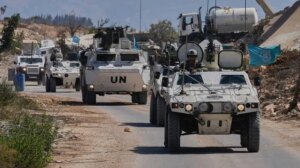
UNIFIL, which has been deployed in southern Lebanon since 1978, is responsible for monitoring hostilities and facilitating the arrival of humanitarian aid to villages located in areas occupied by Israel, in addition to managing a hotline aimed at reducing tension between the Lebanese and Israeli sides. Although the Security Council last year approved a plan for the force’s withdrawal by the end of 2026, the outbreak of the recent military confrontations last March prompted the Lebanese government to intensify its movements to demand an extension.
Lacroix revealed that the Secretary-General of the United Nations, António Guterres, had presented alternative proposals earlier this year for a continued international presence in military uniform in Lebanon, indicating that these proposals are still on the Council table, awaiting actual action and the start of official negotiations.
On the other hand, diplomats indicated that the United States does not support extending the mandate of the international force, but Lacroix stressed the importance of paying special attention to the Lebanese demand, expressing his optimism that the Security Council consultations would lead to a constructive result.
UNIFIL currently includes about 7,500 personnel deployed in about 50 locations, most of which are in areas under Israeli occupation. In the event that an agreement is not reached on a new formula for the international presence, these sites will be transferred to the Lebanese army, which raises questions on the ground about the mechanism for receiving them and deploying the army in them, amid international emphasis on the necessity of avoiding any vacuum or premature departure of the sites before the features of the next stage become clear.
Lacroix concluded by warning of the security risks resulting from the absence of a third party, explaining that the presence of Israeli and Lebanese forces in the same geographic area entails “the risk of escalation and the risk of incidents getting out of control,” which makes the presence of a UN separation force an urgent necessity to control stability in the south.