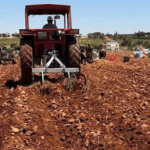
The policy of supporting the agricultural sector in Lebanon is witnessing a remarkable shift in the approach taken, according to what ministerial circles reported to the “Lebanon 24” website.
In detail, the concerned authorities intend to move from the pattern of distributing sporadic aid to individual farmers, towards a strategy based on including cooperatives and producer groups at the core of the new government interventions. This step aims to enable farmers to pool their production and purchase supplies and services collectively, which contributes to reducing transportation, packaging, and production input costs, as well as enhancing their differential capacity and facilitating their access to sources of financing and markets.
The ministerial circles stressed that the true criterion for the success of this approach will not be measured by the number of registered cooperatives or the training courses provided, but rather by its direct impact on the farmer’s burdens and income. This success will be determined based on the percentages of reduction in costs – such as fertilizer, transportation and packaging – as a result of collective purchasing, and the extent of the success of pooling production in securing better sales contracts and more stable prices in the markets.