November 14, 2026

The visit of Necmettin Bilal Erdogan, the son of Turkish President Recep Tayyip Erdogan, to Lebanon raised widespread questions about the true goals of his movements, after he held a series of meetings with senior political and religious officials, despite not holding any official position in the Turkish government. This visit comes amid reports of Turkish efforts to expand political, economic and religious influence in both Lebanon and Syria.
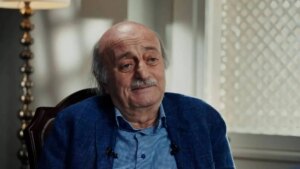
According to a report published by the Israeli newspaper “Maariv”, the visit, which was presented under a social, economic and charitable cover, carried political messages that went beyond its declared nature, especially with regard to the Turkish role in the region and warnings of Israeli dangers. Erdogan Jr.’s meetings included the President of the Republic, Joseph Aoun, the Speaker of the House of Representatives, Nabih Berri, and the Druze leader, Walid Jumblatt, in a remarkable step given the absence of any official government status on him, despite him being considered in some circles to be a potential candidate to succeed his father.
The Middle East A website reported from official sources that the visit was coordinated with the Lebanese authorities and came at the invitation of Deputy Prime Minister Tariq Mitri, who is responsible for relations with Türkiye and Syria. Erdogan was accompanied by a delegation of businessmen and representatives of Turkish institutions, where the discussions focused on joint projects in the fields of transportation, trade, export, and infrastructure, which was confirmed by a senior government official who considered that the visit aims to support Lebanon and explore opportunities for cooperation.
On the other hand, the Lebanese newspaper Al-Akhbar presented a different reading, considering that the visit falls within a Turkish strategy to strengthen the political, religious and social presence in Lebanon, taking advantage of regional changes. A source who participated in the communications related to the visit reported that Bilal Erdogan warned in his meetings of the Israeli threat to Lebanon and Syria, stressing the importance of the Turkish role in strengthening communication between Beirut and Damascus, and warning of the repercussions of Israeli tension in southern Syria.
In the same regional context, Maariv referred to a previous report by Reuters stating that Turkey hosted talks to reduce tension between Hezbollah and the new Syrian authority, despite the Turkish and Syrian governments denying this information. An informed source also denied any secret mediation role for Erdogan Jr. between the party and Damascus, stressing that the goal was limited to getting to know the Lebanese leaders and strengthening personal and cultural relations, which was supported by Tariq Mitri’s statements that the visit was given exaggerated political dimensions, despite the presence of reservations that were removed by parties close to the President of the Lebanese Republic.
On the economic level, the report indicated increasing Turkish interest in strategic projects that include the port of Tripoli and Rene Mouawad Airport in Qlayaat, in addition to energy resources and transportation networks. “Maariv” quoted political analyst Ahmed Al-Ayoubi as saying that Ankara is seeking to transform into a more effective regional player, taking advantage of the changes in Syria and the decline of Hezbollah’s influence, including studying a project for a railway line linking Saudi Arabia to Turkey through Syria and Lebanon, in the face of alternative regional trade corridors.
Al-Ayoubi explained that Ankara seeks to strengthen its presence within the Lebanese Sunni environment without clashing with Saudi Arabia in light of the improvement in bilateral relations, despite the presence of press estimates that talk about Saudi reservations about some of Erdogan Jr.’s meetings. These moves coincide with an intense regional and international competition in Lebanon that includes several parties such as the United States, Iran, Saudi Arabia, Qatar and the UAE, which in turn are considering expanding their investments in infrastructure, digital and energy sectors.
Syria occupies a pivotal position in Turkish calculations, as Ankara supports the rule of President Ahmed Al-Sharaa and adheres to the unity of Syrian lands, rejecting separatist tendencies, which gave Bilal Erdogan’s meeting with Walid Jumblatt special importance given the latter’s position rejecting separatist projects in Suwayda and supporting the unity of Syria. Although those close to Erdogan Jr. confirmed that his activity is independent and linked to charitable and humanitarian work and traditional sports, the nature of the official reception he received remains questions about whether the stop was merely an economic visit or a redrawing of the network of influence in Lebanon and Syria.