November 8, 2026

The Israeli threat to expand control over Lebanese territory has returned to the forefront of events, in light of escalating tensions with Iran and the possibility of renewed regional military confrontation. In this context, the Israeli Defense Minister, Yisrael Katz, issued a direct warning to Hezbollah against the consequences of engaging in any possible Iranian attack against Israel, threatening to launch harsh strikes at it, and stressing that the Israeli army will not withdraw from the areas it currently controls in southern Lebanon.
Katz’s statements came during an official ceremony commemorating the 70th anniversary of the “Kadesh” operation, where he considered that the Israeli mission against Tehran has not yet been completed. Katz accused Iran of trying to resume its efforts to obtain a nuclear weapon, along with other activities that constitute a direct threat to Israel’s security, stressing that Tel Aviv will continue to adopt a proactive and offensive military policy while preparing for various scenarios.
According to what was reported by the Israeli newspaper “Makor Rishon” and the “Iran International” website, based on the Israeli army spokesman, Katz stressed that Israel will not withdraw from the areas it describes as “security zones” in Lebanon, Syria and the Gaza Strip, warning that “Hezbollah” will receive severe blows and will lose additional territory if it decides to intervene in support of Iran.
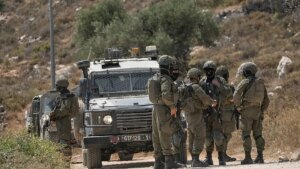
This position is an extension of previous statements made by Katz last October 14 during his tour in southern Lebanon, in which he threatened to expand military control to areas surrounding Nabatieh and the Litani River to turn it into a permanent security zone. These previous threats included threats of a large ground operation and the evacuation of areas of the south and the southern suburbs of Beirut, amid estimates of the displacement of more than a million people if the party entered the war.
Although Katz did not repeat the details of the large ground operation in his last speech, the renewal of the military threat and its conjunction with the refusal to withdraw raise questions about whether Tel Aviv is taking any possible intervention by the party as a justification for expanding its operations inside Lebanese territory, so that the targeting is not limited to the party’s military structures only, but extends to include changing the scope of field control in the south.
On the other hand, the data indicate that there is no decisive and announced decision yet regarding launching an additional Israeli ground operation, nor has Hezbollah issued anything confirming a decision to immediately engage in a new war, as the Israeli warning was conditional and not linked to a specific timetable.
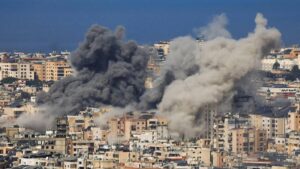
These developments come in light of the extremely sensitive security situation that Lebanon is witnessing, represented by the continuation of Israeli military operations in the south, the faltering handling of the withdrawal file, and the ongoing tensions regarding the deployment of the Lebanese army and the exclusivity of weapons. These facts establish a dangerous equation that makes Lebanon vulnerable to paying the price of a regional confrontation that may be sparked from outside its borders, amid ongoing efforts to spare it an additional war.