October 29, 2026

In the areas of Achrafieh and the Christian-majority neighborhoods of Beirut and Mount Lebanon, an urgent question is rising about the position of the “Lebanese Forces” party on the old tenants’ crisis, in light of the threat of losing their homes to dozens of the party’s old supporters and the families of those who paid high prices during the war years.
The tenants do not adopt populist proposals or reject the landlord’s right to obtain a fair rental allowance that is compatible with the true value of his property and the economic reality. Rather, they demand a reasonable raise commensurate with their ability, refusing in return to convey injustice by throwing an eighty-year-old out of a house in which he spent decades, given his inability to afford new allowances in light of the country’s economic collapse.
While proposals to amend the law move between committees, meetings, and postponements, eviction rulings are successively issued that place hundreds of tenants under the sword of the courts and constant fear, especially since time is not working in their favor.
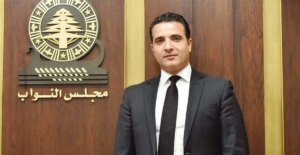
In this context, the name of the Chairman of the Parliamentary Administration and Justice Committee, Representative George Adwan, one of the most prominent figures of the “Lebanese Forces” bloc, stands out. The committee had recently discussed proposals related to old rents, and its members acknowledged the existence of a real problem resulting from the failure to establish a fund allocated to protect incapable tenants, and unanimously agreed on the necessity of finding a formula that guarantees housing stability without prejudice to the rights of owners.
However, the slow pace of legislative transactions raises questions about the timetable for this treatment, especially after the Administration and Justice Committee included the file of implementing the General Amnesty Law on the agenda of the October 27 session, ahead of the rent file, which reinforces the feeling of elderly tenants of the lack of priority over a crucial issue related to the roof of their homes.
The opinions of the people of Achrafieh, such as families known for their historical support for the “Forces,” reflect a state of dissatisfaction and bitterness regarding what they consider to be a contradiction between the party’s slogans about protecting the Christian presence and steadfastness in the land, and the reality of elderly Christians losing their homes, leading to the replacement of some old tenants with others of non-Lebanese nationalities in some neighborhoods of the region.
The data confirm that the crisis is not a bilateral conflict between the landlord and the tenant. The landlord was also harmed by the collapse of the state, but the tenant faced an unprecedented collapse in his purchasing power, savings, and salaries, which makes burdening the elderly alone with the cost of the state crisis unacceptable.
Tenants adhere to a clear demand, represented by a fair and reasonable increase in rents that is linked to people’s actual ability to pay, while providing serious protection for the elderly and those unable to provide alternative housing, away from confiscating the owners’ rights and in a way that achieves the balance that the state evades from securing.
In the face of these developments, the leadership of the “Lebanese Forces” and Representative George Adwan face a political and legislative opportunity to actually test their slogans by making the file an urgent priority, to protect fathers, mothers, and families who have historically fought alongside the party from the risk of losing their homes and leaving their late lives in dignity and peace under the roofs in which they have lived for decades.