October 29, 2026

The protection of railway property, and ways to remove encroachments on it, in addition to benefiting from rainwater through the establishment of tanks exempt from fees, topped the agenda of parliamentary discussions, amid calls to speed up the judicial and security follow-up of the encroachment file, and to set technical standards that guarantee the safety of water collection and its efficient use.
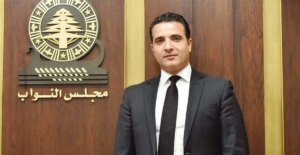
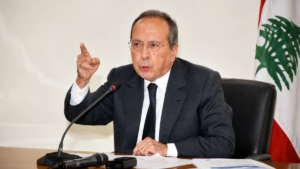
In a statement from the House of Representatives, Representative Sajia Attia revealed that some files of encroachments on railway property have been pending before the judiciary for about a decade, in light of the limited percentage of removals and measures taken. Attiya stressed that the increasing talk about the importance of the railway sector requires immediate action by the security forces to protect it, stressing the need to follow up on all administrative and technical details related to this vital file.
In the same context, Representative Attiya announced that the head of the Railway Authority reported the commission of an economic feasibility study and a technical study for the railway line extending from the port of Tripoli all the way to the Syrian border, considering this a significant positive development, noting at the same time the request for a detailed study from the Ministry of Public Works and Transport that addresses the economic feasibility and estimated cost.
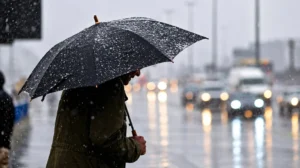
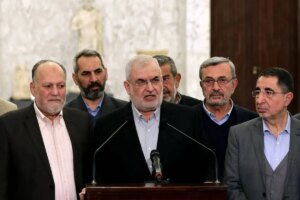
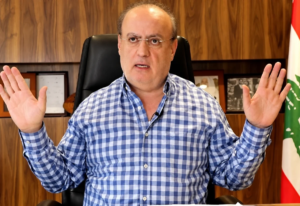
For his part, Representative Hussein Jishi touched on the law proposal regarding exempting the construction of water tanks from fees, stressing the importance of investing in building rooftop areas to collect rainwater in a way that contributes to meeting the needs of citizens, especially in rural areas. Jishi explained that Lebanon has abundant amounts of rain and large areas of building roofs that can be used to provide between 25% and 30% of citizens’ water needs.
Jishi pointed out that this file deserves attention and research, pointing to the trend towards forming a technical committee to study the benefits and standards required to ensure safety conditions and maximum benefit from rainwater. Regarding the railway sector, he stressed the importance of these vital facilities and the need to protect them, indicating that the current laws that protect public property need to be developed and the gaps filled to ensure seriousness in preventing and removing encroachments, and keeping pace with the standards adopted in countries around the world.