October 24, 2026

The economic isolation imposed on Iran is gradually expanding, with Tehran successively losing its most prominent land trade routes, in parallel with the continuation of maritime and air restrictions led by the United States as part of a pressure strategy aimed at pushing it towards making concessions regarding its nuclear file.
In this context, the Wall Street Journal reported that Iraq closed the “Al-Shayb” border crossing, which connects two major oil provinces in the two countries, while Pakistan banned the entry of Iranian trucks through the “Ghabd” and “Taftan” ports, which are considered vital alternative routes to eastern Iran. Baghdad isolated its decision for reasons related to tightening control and combating smuggling, while Islamabad justified the move by its commitment to applicable international sanctions, as well as imposing new requirements. For importers, their bank details are recorded amid the difficulties of the Iranian financial system.
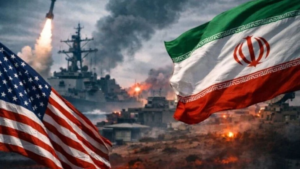
These developments complement a naval blockade imposed by the US Navy on Iranian ports months ago against the backdrop of attacks in the Strait of Hormuz, which halted oil exports and disrupted the bulk of imports despite official exceptions for humanitarian supplies. The sanctions also included the aviation sector and banks dealing with Tehran, which led to an unprecedented reduction in sea and air shipping routes, and the depletion of Iranian oil stocks that were sold to Chinese buyers outside the scope of the blockade.
US Treasury Secretary Scott Besent said that Washington is cooperating with Pakistan and Turkey to cut off Iranian land trade routes, announcing that the United States has moved from the stage of financial sanctions to a “total isolation campaign.”
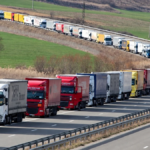
On the field and logistical levels, these measures created a severe overcrowding crisis at the crossings, with hundreds of drivers spending weeks in long waiting lines. By September 29, there were about 17,000 isolation trucks stuck at Iran’s borders with Turkey, Afghanistan, and Azerbaijan, with a waiting period that sometimes reached 20 days. The Iranian Truck Drivers Union reported that agricultural shipments and an abundance of fruit were damaged, in addition to the fact that more than 4,500 metric tons of liquefied gas remained stuck on the Iranian side as a result of Pakistani restrictions, at a time when land ports were unable to compensate for the sharp decline in the capacity of sea freight.
On the other hand, Iranian officials held Washington fully responsible for these measures, considering that closing the crossings falls within broader American efforts to isolate the country economically.
This tangled network of restrictions has a disastrous effect on the Iranian interior. Official data showed a massive decline of about 90% in the purchasing power of families within one year, coinciding with a jump in food prices of 128%. This was followed by a record deterioration of the local currency, as the price of the Iranian riyal fell, recording new low levels, with the dollar exchange rate reaching about 2,740,000 riyals.
Between the hammer of the port blockade and the anvil of restricting air traffic and closing land crossings, Tehran faces double pressures that raise the cost of exports and imports and narrow the margins of its foreign trade, while the US administration is betting that this accumulated blockade will eventually lead to forcing Tehran to return to the negotiating table on different terms.