October 24, 2026

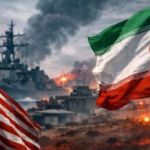
The Middle East region is entering a very dangerous turning point amid mounting diplomatic warnings that the region is sliding toward a widespread military confrontation. Attention is turning with increasing concern towards the possibility of an anticipated US military strike against Iran, a scenario that threatens to ignite the extended conflict fronts, especially the Lebanese arena, which is cautiously anticipating the potential violent repercussions of any security explosion in the region.
In this context, political data intersect at a point of uncertainty. While some regional readings rule out the option of comprehensive escalation due to the region’s inability to absorb the shock of a new war, serious concerns emerge stemming from the fluctuations of international political decision-making. Al-Jumhuriya newspaper quoted a senior official as concerned about the absence of any guarantees for calm, attributing this to the escalatory behavior of Israeli Prime Minister Benjamin Netanyahu and the volatile moods of US President Donald Trump, considering that expecting the worst has become a necessity under these leaderships. These fears are reinforced by a recent study prepared by a knowledgeable veteran diplomat, in which he warned that the Middle East is currently facing “the most dangerous seven days in its history,” stressing that any future military confrontation will not result in victors, but rather will incur heavy losses for all parties involved.
What makes the scene more complicated are the escalating statements from Washington, where the US special envoy to Syria and Iraq, Tom Barrack, did not rule out, in a decisive response, the possibility of launching a military strike against Iran over the weekend. Barak clearly indicated that the US administration gave Tehran repeated opportunities to reach a settlement, but the latter chose to use navigation security in the Strait of Hormuz as a bargaining chip. With the succession of these field and political indicators, the capitals of the region are living in a state of intense anticipation to know whether the coming hours will succeed in defusing the crisis, or whether it will push the Middle East towards the brink of escalation from which there is no way out.