October 22, 2026
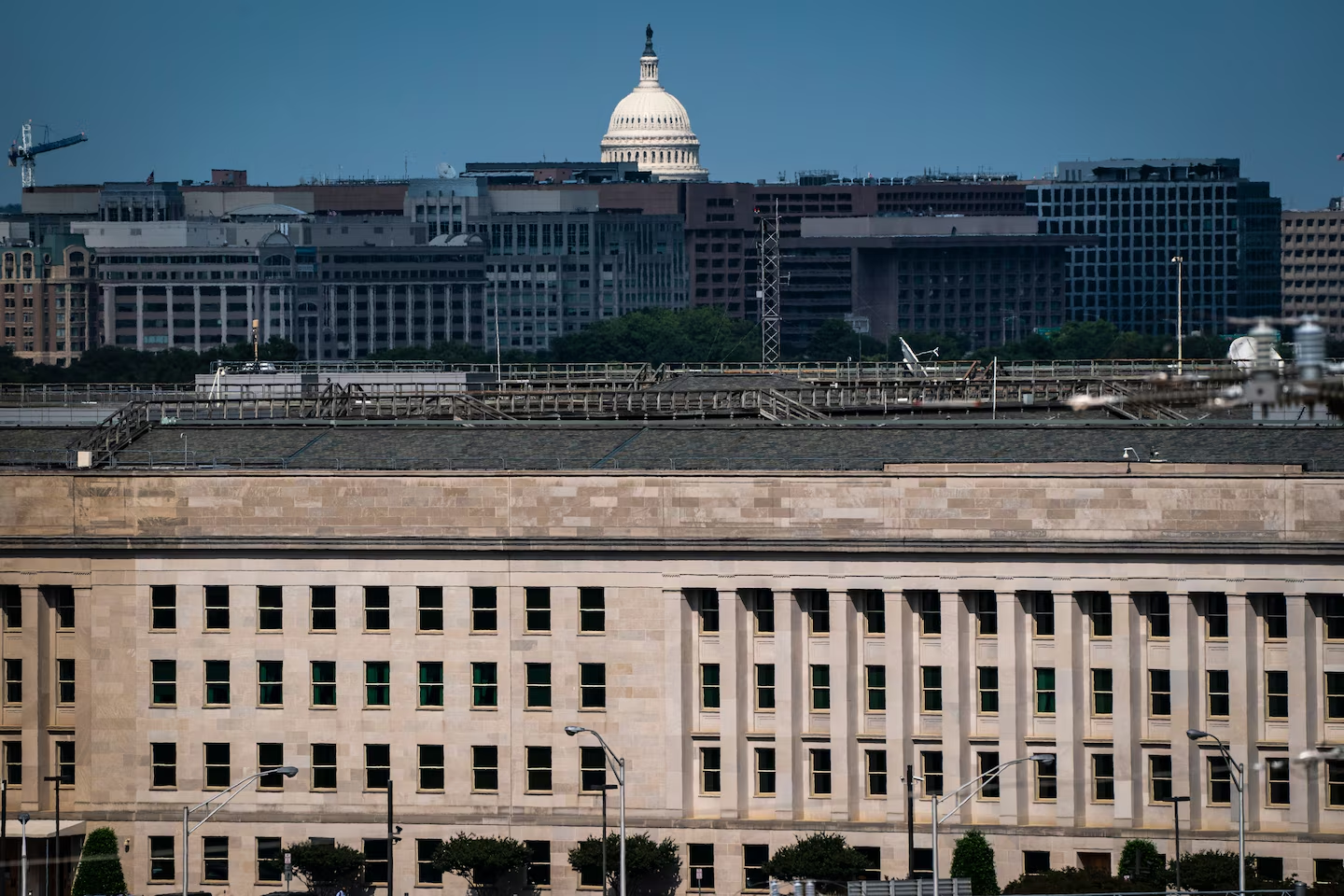
The Washington Post revealed that the Pentagon is developing a secret espionage program targeting China and other competing countries, as part of expanding the tools of economic warfare adopted by the administration of President Donald Trump.
The newspaper quoted six knowledgeable people as saying that the initiative is based on deploying intelligence elements under the cover of businessmen or employees in private companies, without any declared affiliation with the US government, to collect sensitive economic information that serves Washington’s strategic interests. The project is being supervised by Tom Rakosan, a former CIA official and senior advisor to Deputy Secretary of Defense Steve Feinberg.
The program is still in the planning stage and has not yet been implemented, and it has not been decided whether it will be established as an independent unit within the Pentagon or integrated within its current capabilities. On the other hand, the Ministry of Defense denied the existence of any such initiative, considering the information incorrect, while the Central Intelligence Agency refrained from commenting.
The project comes within a broader trend of the Trump administration to employ economic tools to confront adversaries, through customs duties, export restrictions, and strategic investments. In this context, CIA Deputy Director Michael Ellis announced in September the expansion of espionage activities against Chinese companies in the fields of artificial intelligence, biotechnology, and semiconductors. Former deputy director of the agency, David Cohen, also called for an end to the ban on sharing economic information with American high-tech companies, in conjunction with the Pentagon’s establishment of the “Economic Defense Unit,” which allocated $750 million to secure access to rare earth minerals in Brazil.
The project raised reservations within the CIA, as a former official considered that Rakosan was seeking to establish “his own intelligence agency within the Pentagon.” This comes amid the decline of the agency’s undercover agents program, and an internal evaluation showed that 75% of these officers are eligible for retirement by the middle of the current decade. These operations involve high risks due to the lack of diplomatic immunity of agents, as well as the challenges of biometrics and digital traces that make it difficult to hide identities.
The legal framework and powers by which the initiative will be governed are still unclear, with it likely to work according to a hybrid formula that combines the powers of the Pentagon and the CIA, amid indications that the relevant congressional committees have not yet been informed. The project reflects a shift in the balance of influence towards the Pentagon expanding its intelligence and economic role in conjunction with its demand for a record budget of $1.5 trillion, and a greater willingness to bear the risks of secret operations amid escalating competition with China.