October 16, 2026

As the end of the current mandate of the United Nations Interim Force in Lebanon (UNIFIL) approaches, a Lebanese parliamentary delegation held a series of meetings at the headquarters of the international organization, handing over an official memorandum signed by 86 representatives demanding the maintenance of an effective international presence in southern Lebanon, to avoid any potential security vacuum in light of the continued tension and Israeli occupation of parts of Lebanese territory.
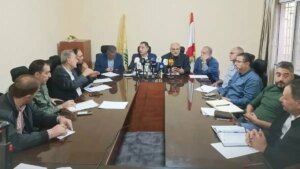
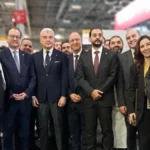
The parliamentary delegation included: Michel Moussa, Najat Aoun Saliba, Salim Al-Sayegh, Adnan Trabelsi, Firas Hamdan, Nasser Jaber, Hagop Terzian, and Melhem Khalaf. The representatives held a meeting with the Under-Secretary-General of the United Nations for Peace Operations, Jean-Pierre Lacroix, where he was handed the parliamentary memorandum.
The meeting was attended, in addition to the UN official, by the Head of UNIFIL and its Commander-in-Chief, Italian Major General Deodato Abbaniara, the Deputy Head of the Mission and Director of Political and Civil Affairs, Herve Le Coq, in addition to the Deputy Special Coordinator of the United Nations and the Humanitarian Coordinator in Lebanon, Imran Rizza.
The discussions focused on the current field developments in southern Lebanon, the future of the international mission and the challenges associated with the end of its current mandate. The representatives stressed the need to find a formula that guarantees the continued role of the United Nations in monitoring the field situation, monitoring violations, reducing tension, and preventing any military escalation.
The Lebanese side stressed that any future arrangements must remain limited to the framework of the United Nations and the relevant Security Council resolutions, in line with Lebanon’s sovereignty and territorial integrity, and supports the efforts of the Lebanese state and its military institution to extend its authority over the entire national territory.
In their memorandum, the representatives warned of the repercussions of any decline in international presence, considering that this may expose the occupied and affected areas and their residents to the dangers of isolation and security vacuum, which requires urgent international action before the mandate of the international force expires, and the rejection of any formulas that might lead to undermining its vital role in the next stage.