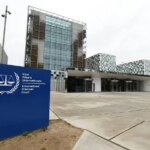
The International Criminal Court has taken a series of exceptional measures to fortify its work against the repercussions of possible US sanctions that may target the entire institution, in light of the escalating confrontation with the administration of US President Donald Trump against the backdrop of investigations and prosecutions targeting Israeli and American officials.
The Court’s Deputy Prosecutor, Nuzhat Shamim Khan, said in an interview with the Financial Times on Friday that the Court began preparing for the possibility of Washington expanding its sanctions about a year ago, stressing that “law must prevail over force,” and that the corporation had set “protection barriers” to reduce the potential effects of any sanctions that might affect its financial dealings, technology services, and insurance, after media reports, including what Reuters reported, about the Trump administration’s preparation for comprehensive measures against the corporation. Khan explained that the court has not yet received any official notification, and has only heard “rumors” about imminent penalties.
At its headquarters in The Hague, court staff took precautionary measures that included downloading and printing important files, in addition to studying reducing dependence on American technology service providers. The court began transferring office work programs from “Microsoft” services to the German “openDesk” platform, after reports indicated that more than 90% of its operations were dependent on American technological systems. The institution also made alternative arrangements for banking and health insurance services, and paid the salaries of some employees months in advance in anticipation of any financial turmoil, while refusing to reveal the details of those procedures to ensure their effectiveness.
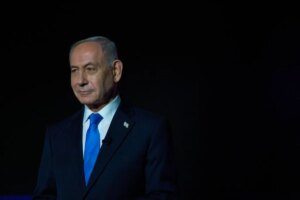
The roots of the current escalation go back to February 6, 2025, when President Trump issued an executive order allowing the imposition of sanctions that include freezing the property and financial interests of court officials, accusing it of taking “illegitimate” measures against the United States and Israel. The dispute worsened after the court issued, on November 21, 2024, two arrest warrants against Israeli Prime Minister Benjamin Netanyahu and former Defense Minister Yoav Galant on charges related to the war in Gaza. In light of the failure of Washington and Tel Aviv to recognize the jurisdiction of the court – as they are not parties to the Rome Statute – the American measures moved from threat to implementation, and sanctions were lifted against 4 judges in June 2025, followed by sanctions in August of the same year that included other officials, including Deputy Prosecutor General Nuzhat Shamim Khan.
Khan noted that some of the targeted officials faced the phenomenon of “over-compliance,” where financial institutions imposed restrictions that exceeded the official requirements of the sanctions, forcing them to look for alternative ways to continue their lives and transactions. This clash brings to mind the precedents of Trump’s first term, which witnessed sanctions against former Prosecutor Fatou Bensouda before the Joe Biden administration lifted them in April 2021, turning the dispute in the current term into a practical test of the International Criminal Court’s ability to protect its operations and independence in the face of American pressure.