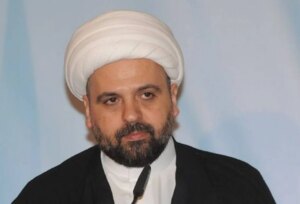
The scholar, Mr. Ali Fadlallah, called on the Lebanese state to reconsider its strategy for dealing with field developments in the south, stressing the necessity of not being satisfied with the negotiating path. During the Friday sermon he delivered at the Al-Imam Al-Hassanin Mosque in Haret Hreik, he urged the state to strengthen the capabilities of the Lebanese Army in preparation for the next phase that will follow the end of the missions of the United Nations Interim Forces in Lebanon (UNIFIL).
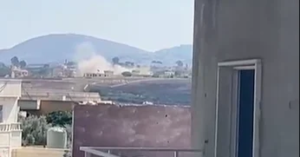
Fadlallah pointed to the continuation of Israeli attacks in the south, which include raids, bombings and arson attacks targeting infrastructure and institutions, warning of the possibility of additional Israeli escalation ahead of the elections. He believed that betting on negotiations alone would not achieve Lebanon’s aspirations, calling for serious preparation for the post-UNIFIL phase to avoid any security vacuum in the south and enable the army to carry out its tasks in defending the country.
It is noteworthy that the UN Security Council had extended the mandate of UNIFIL for the last time until December 31, 2026, to be followed by a phase of gradual and safe withdrawal ending in late 2027, amid ongoing discussions about alternative security arrangements and the role of the military institution.
On the internal level, Fadlallah sounded the alarm over the repercussions of the worsening living crisis, warning of the insane rise in the prices of goods, food and fuel, as well as the cost of basic services such as education, medicine, water and electricity, in parallel with widespread unemployment and low salaries. He called on the government to intensify price controls, break the monopoly, double support for the poorest groups, and conduct a comprehensive review of tax policy to protect social and security stability.
Regarding foreign affairs, Fadlallah criticized the performance of the United Nations on the sidelines of the General Assembly meetings, considering that it had lost the ability to perform its required role in resolving crises and preventing wars, under the influence of major powers.
He concluded his sermon by commemorating the second anniversary of the martyrdom of the former Secretary-General of the party, Mr. Hassan Nasrallah, and Mr. Hashem Safi al-Din, stressing that loyalty to their blood and the sacrifices of the martyrs lies in preserving Lebanon and preserving its unity and sovereignty.