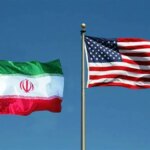
Indirect diplomatic relations between Tehran and Washington witnessed a new movement that started from New York, including an exchange of messages and clarifications mediated by Qatar that lasted for two hours on the sidelines of the United Nations General Assembly meetings, in the first movement of its kind in months.
Iranian Foreign Ministry spokesman, Ismail Baghaei, explained that his country had conveyed to the American side its specific conditions for reviving the diplomatic track. These conditions include ending the US naval and economic blockades, stopping wars on all fronts, and releasing frozen Iranian assets, as well as recognizing the shipping corridor in the Strait of Hormuz, which he indicated had been agreed upon between Muscat and Tehran.
In the same context, Iranian Foreign Minister Abbas Araqchi communicated with American envoys Steve Witkoff and Jared Kushner through intermediaries, on the sidelines of the General Assembly meetings, in the first contact of its kind since the collapse of the temporary ceasefire agreement last July. While there were conflicting media reports about holding a direct meeting, Iranian officials explained to Reuters that the communication was not face-to-face, at a time when Araqchi met the Prime Minister and the Qatari Foreign Minister, Sheikh Mohammed bin Abdul Rahman Al Thani, who played the role of mediator between the two sides.
For his part, US President Donald Trump described the meeting held by Witkoff and Kushner with Iranian mediators as “very productive,” indicating that there is momentum pushing towards reaching an agreement, without announcing an actual breakthrough in the outstanding issues.
These developments come to reopen a diplomatic window that has been faltering for months, amid anticipation of what will result from Tehran’s conditions and the level of the American response to them, which will constitute the decisive factor in determining whether the New York channel will develop into a broader negotiating path.