“Lebanon Debate”
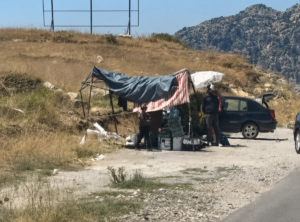
Rmeish, like other border villages, faces exceptional living conditions imposed by the ongoing security developments, after the agricultural, trade, and liberal professions sectors were damaged, while the regular arrival of basic materials and aid has become a decisive factor in supporting the residents’ steadfastness and adherence to their land.
At a time when information spread about the arrival of an aid convoy to the border villages, the mayor of Rmeish, Hanna Al-Amil, denied, in an interview with “Lebanon Debate,” the arrival of any convoy to the town today, explaining that Rmeish receives aid from various parties from time to time, but its arrival does not occur regularly or according to a fixed timetable, which keeps the people in a state of suspense in light of the worsening living pressures.
Regarding the ability of Rmeish and other border villages to withstand under the current circumstances, the agent stressed that the people are still clinging to their land and town, but the war that has been ongoing for 3 years has left severe economic and living repercussions, and has weakened the families’ ability to secure their daily needs.
He explained, “The steadfastness is certainly continuing, but the difficulties are very great. The economic situation we are living in today has become very bad as a result of the war that has been going on for 3 years, which has directly affected various sectors and sources of income.”
He pointed out that a large number of the townspeople lost their jobs, while free professions and workshops stopped, and economic activity declined sharply, putting the people under increasing pressure in light of the decline of their financial resources and the absence of job opportunities.
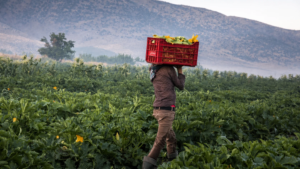
He added that the agricultural sector, which constitutes a basic source of livelihood for a large number of people in the border region, has received a severe blow, as farmers are unable to access large parts of their lands due to security and field conditions.
The agent pointed out that landowners have not been able to harvest olive harvests for three years, depriving dozens of families of one of their most prominent sources of annual income, exacerbating their losses and leading to a decline in agricultural production in the town.
He said: “There are large parts of agricultural land that are inaccessible, and we have not been able to harvest olive harvests for 3 years, so the economic situation is very bad.”
Regarding the availability of basic materials, the agent confirmed that bread and gas bottles are still available inside the town, explaining that the communication line with Rmeish is still open, allowing the materials to reach stores and the entry of aid convoys and people, albeit within specific restrictions and procedures.
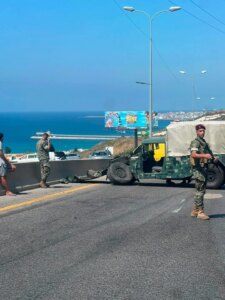
He pointed out that entry and exit movements take place according to prior arrangements, which include preparing lists of names and sending them to the relevant authorities before allowing people or convoys to cross, in light of the procedures imposed on movement in the border area.
He said: “The communication artery with the town is still secured, and materials designated for shops, aid convoys, and people can enter and leave, but within certain restrictions, and after preparing advance lists of names and informing the relevant authorities of them.”