November 16, 2026

Concerns are rising within official circles in Iran about the worsening living crisis and the possibility of popular unrest as winter approaches, in light of a severe crisis in gas supplies and the severe damage to energy facilities as a result of the military confrontation with the United States and Israel.
Reuters quoted Iranian officials as saying that the leadership is showing increasing concern about the repercussions of the fuel shortage and rising prices, amid stifling economic pressures burdening the country, represented by the naval blockade, high inflation rates, and the loss of millions of jobs.
In the same context, the Iranian government warned that the upcoming gas crisis will be the most severe compared to previous years. Government spokeswoman Fatima Mohajerani explained that the expected supply deficit will reach about 430 million cubic meters, compared to about 300 million cubic meters recorded last year.
For its part, the National Iranian Gas Company attributed the aggravation of the crisis to the exposure of four gas processing facilities to severe damage during the early stages of the war, stressing that efforts are continuing to repair them and restore their operational capacity. Although Tehran has one of the largest natural gas reserves in the world, aging infrastructure, international sanctions, and military damage have made it difficult to meet domestic needs.
At the government level, an Iranian official revealed that the current moves are limited to short-term solutions, noting that there are ongoing talks with Russia to import gas with the aim of alleviating the expected shortage.
In turn, economic analyst Saeed Laylaz warned that the government may have to cut off gas supplies to specific industrial sectors if the crisis worsens, pointing out at the same time that the country has not yet reached that stage.
In parallel, a security official told Reuters that the intelligence services are closely monitoring any indications of possible protest movements, amid serious fears that the accumulated economic pressures will turn into widespread social unrest.
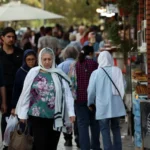
The crisis casts a heavy shadow on the daily lives of citizens. A number of residents rushed to buy electric heaters in anticipation of a gas outage, despite their high prices, while small business owners fear that their commercial activities will stop due to the energy scarcity crisis.
Thus, the Iranian authorities face a dual challenge: securing the population’s basic fuel needs during the winter, and containing the economic and social repercussions of the war, amid continuing deep pressures on the economy and a decline in citizens’ purchasing power.