November 12, 2026

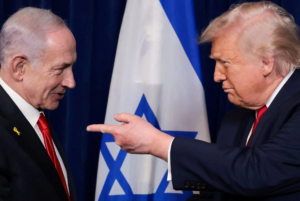
In a remarkable development that intersects with the ongoing military preparations for a possible attack against Iran, the Israeli Broadcasting Authority “Kan” announced, this Thursday morning, the decision to hold a meeting of the Mini-Ministerial Council for Political and Security Affairs “Cabinet” on Sunday, November 15 of this year. This meeting, which is being held based on a report by journalists Gili Cohen and Itay Blumenthal, comes after a break that lasted more than a month, specifically since the last session held on October 5.
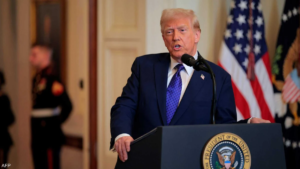
This announcement was preceded by the unveiling of directives issued by the Cabinet to the Israeli army to raise its level of readiness in anticipation of any possible attack on Iran, despite the absence of official meetings throughout the past month. Security reports stated that some of the required measures may prompt forces to carry out military activities that may lead to a large-scale confrontation. These developments come despite statements by US President Donald Trump in which he ruled out the need to launch a new military attack on Tehran.
On the other hand, senior security officials confirmed that the army continues to maintain its readiness in accordance with the directives of the political level, warning that the current stalemate and the failure to implement military action or reach a political agreement may gradually lead to the erosion of the achievements achieved by Israel during its previous operations in Iran.
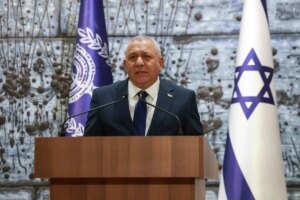
On the internal level, this path sparked an escalation in political differences between Prime Minister Benjamin Netanyahu and the head of the Yashar! Gadi Eisenkot. Eisenkot sent a strongly worded letter to Netanyahu, in which he warned against using the security services in operations that are not posed by immediate and direct threats during the transitional phase, considering that this could cause severe damage to Israeli democracy and citizens’ confidence in the institutions of governance, and calling on the government’s judicial advisor, Gali Beharav Meara, to intervene to enable him to receive regular security briefings.
For his part, Netanyahu responded by rejecting these criticisms, stressing that discussing sensitive security issues publicly is an irresponsible step, and that all government decisions are based exclusively on security considerations and in coordination with the military establishment.
Netanyahu’s response did not end the political debate, as Eisenkot continued to direct criticism, asking about the reasons for rejecting his request to obtain operational information through official channels and trying to postpone the meeting of the Foreign Affairs and Security Committee scheduled for next week, stressing his complete rejection of any oversight vacuum over a government that has lost the confidence of the Knesset.