
November 12, 2026

The financial crisis that exploded in Lebanon in 2019 caused a radical shift in the priorities of Lebanese families, as they began to spend the remainder of their income on meeting the needs of the present, abandoning the idea of long-term protection and life insurance. As a result, an entire generation is aging into old age without savings or a pension, highlighting the serious social dimensions of the decline of this sector that go beyond the financial losses of insurance companies.
In numbers that reflect changing priorities, life insurance revenues fell from about $400 million annually before the crisis to a marginal sector, while the volume of business of the insurance sector as a whole declined from about $1.6 billion to nearly $1.1 billion, as a result of companies losing about one billion dollars of their bank deposits.
Premiums written data clearly shows this shift; Health insurance accounts for about half of the market with premiums exceeding 50 trillion liras, followed by car insurance at about 20.5 trillion liras, while life insurance premiums do not exceed 9 trillion liras (equivalent to about 100 million dollars). This last figure does not accurately reflect the size of individual savings, because it includes group policies linked to loans and institutions, which means that the actual share of savings policies is much smaller, which worsened as banks stopped lending.
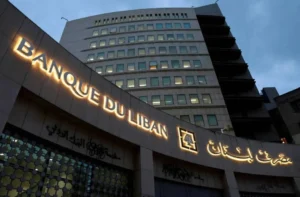
This decline is not due to weak purchasing power alone, but rather its essence lies in the collapse of confidence in the idea of long-term saving. Life savings policies have relied on collecting premiums in dollars for many years, with companies investing a large portion of their reserves in local banks. With the collapse of the banking sector, the owners of these policies faced the fate of the depositors themselves, between withheld funds or payments in low-value “dollars,” which established the conviction that saving through insurance companies is a deferred loss, and made any talk about new policies collide with the question of the mysterious fate of the old policies.
On the other hand, the Lebanese are forced to secure the most basic elements of current protection, as health insurance has become an inevitable necessity in light of the cost of hospitalization priced in dollars and the decline in the role of social security, in addition to mandatory car insurance by law. However, the pressures are mounting sharply, especially with hospitals demanding a 25 percent increase in their fees, and the prices of spare parts and the cost of repairs rising. This led to a decline in the number of people covered by health insurance from about 600,000 before the crisis to approximately 400,000 people.
This crisis carries a huge deferred social cost. The value of end-of-service compensation for workers in the private sector has eroded with the collapse of the lira, and although Law No. 319 was passed in December 2023 to establish the retirement and social protection system, it has not yet been activated pending the issuance of its implementing decrees. Thus, those approaching retirement face their fate without a safety net, and many families remain deprived of any protection or compensation when the breadwinner is lost.
Therefore, the life insurance market cannot be restored simply by improving income, as the fate of old policies remains closely linked to addressing the crisis of bank deposits held by insurance companies, which requires finding a radical solution that restores the rights of policyholders and clearly defines the mechanisms for calculating their entitlements.