November 12, 2026

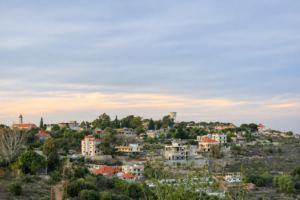
The file of protecting real estate properties in southern Lebanon is moving to the House of Representatives, which will discuss, in its legislative session scheduled for today, Thursday, November 12, a draft law aimed at preventing the disposition and sales of real estate in areas occupied by the Israeli army. This comes in light of the continued occupation and the imposition of a security and military reality on a number of border villages, which opens the door to a very sensitive issue related to the fate of lands and the rights of their owners amid conditions of displacement and economic pressure.
The Council of Ministers had approved the project at its session held at Baabda Palace on September 10, based on a proposal submitted by Finance Minister Yassine Jaber. The legislation aims to place legal restrictions on real estate in areas covered by the Israeli occupation, to protect them from moving in exceptional circumstances that may expose their owners to security or financial pressures that force them to sell, especially in light of the complications resulting from military operations, destruction and displacement.
The government version of the project raises several legal questions, most notably those related to contracts prior to October 8, 2023, the scope of exceptions, and the possibility of registering transactions completed during the war period. These details remain subject to the amendments that Parliament will approve, especially with regard to defining the areas covered by the ban, and the standard for dealing with agencies and previous sales.
The project also raises fundamental problems related to defining the concept of “occupied territories” and whether it will be limited to sites of direct occupation or extend to a broader scope, in addition to the fate of owners who are forced to sell for reasons of livelihood, and whether the law provides exceptions that take into account their situations. On the other hand, the issue of the ability of judicial and administrative bodies to scrutinize the identity of the actual buyers and beneficiaries arises, despite the lack of official evidence proving the existence of organized purchases linked to Israel or entities affiliated with it, which makes the project a purely preventive measure.
The legislative dimension is not limited to the financial value of the properties, but rather affects the residents’ right to return and reconstruction, which imposes on Parliament a precise equation that combines protecting the land and preventing the exploitation of exceptional circumstances, and not burdening the owners with disproportionate economic and legal burdens. With the project being presented to the General Assembly, the southern territories file enters a detailed legislative phase that tests the ability of the texts to protect the rights of the Lebanese without turning preventive measures into permanent obstacles to exercising their legitimate rights.