October 25, 2026

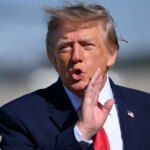
US President Donald Trump linked the course of dealing with Cuba to the end of the ongoing confrontation with Iran, announcing that Secretary of State Marco Rubio would later assume the task of negotiating with Havana to conclude an agreement between the two sides.
This came during an election rally held by Trump in Florida, where he declared: “We will take care of Cuba on our way back from Iran, and then we will send Rubio to complete the agreement.” These developments come at a time when Washington continues to escalate its political and economic pressure on Havana, within the framework of a more stringent policy aimed at changing the communist government in the country.
Last September, Trump indicated his expectations of reaching an agreement with Havana, ruling out at that time resorting to the option of military action. In the same context, the oil blockade imposed by the United States earlier this year contributed to the exacerbation of the economic and living crises in Cuba, which already suffers from severe fuel shortages and frequent power outages due to the deterioration of the infrastructure.
Washington has imposed a comprehensive embargo on Cuba for more than six decades, and the pace of American pressure has escalated significantly following the military operation carried out by the US army in Venezuela last January, which resulted in the arrest of then Venezuelan President Nicolas Maduro.
On the other hand, Havana maintained a relatively flexible position, as the Cuban Foreign Minister confirmed before the United Nations General Assembly last month that his country “will always remain open to dialogue with Washington.”
Trump’s statements coincide with the continued simmering tension with Iran, amid his hinting at the possibility of carrying out military action against it, which places the Cuban and Iranian files at the forefront of the US administration’s strategic escalation cycle in the next stage.